
Understanding Wax Wood Finishes has started getting harder to follow with all the options and conflicting advice flying around. As someone who has spent years working with wood finishes in my own shop, I put in the hours studying this subject. Today, I will share it all with you.
Understanding Wax Wood Finishes
Probably should have led with this issue, to be candid.
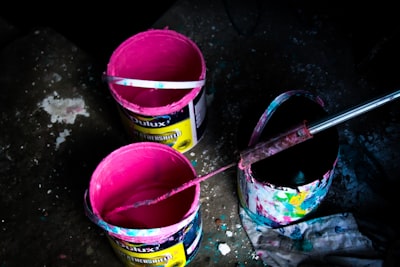
Wax creates a low-sheen, tactile finish that many woodworkers love. As a standalone finish, wax offers minimal protection but outstanding feel. As a topcoat over other finishes, wax adds depth and makes surfaces silky smooth. Understanding wax types and techniques helps you achieve the results you want.
Types of Wax for Woodworking
- Paste wax: Traditional blend of waxes in a solvent carrier. Easy to apply, buffs to a soft sheen. Brands like Johnson’s, Minwax, and Briwax are widely available.
- Beeswax: Natural wax that can be used pure or blended with oils. Produces a warm, honey-toned finish. Ideal for antique restoration and food-safe applications.
- Carnauba wax: The hardest natural wax, derived from palm leaves. Creates higher sheen and more durable protection than softer waxes.
- Microcrystalline wax: Petroleum-derived wax with finer crystal structure. More flexible and moisture-resistant than other waxes.
Wax as a Standalone Finish
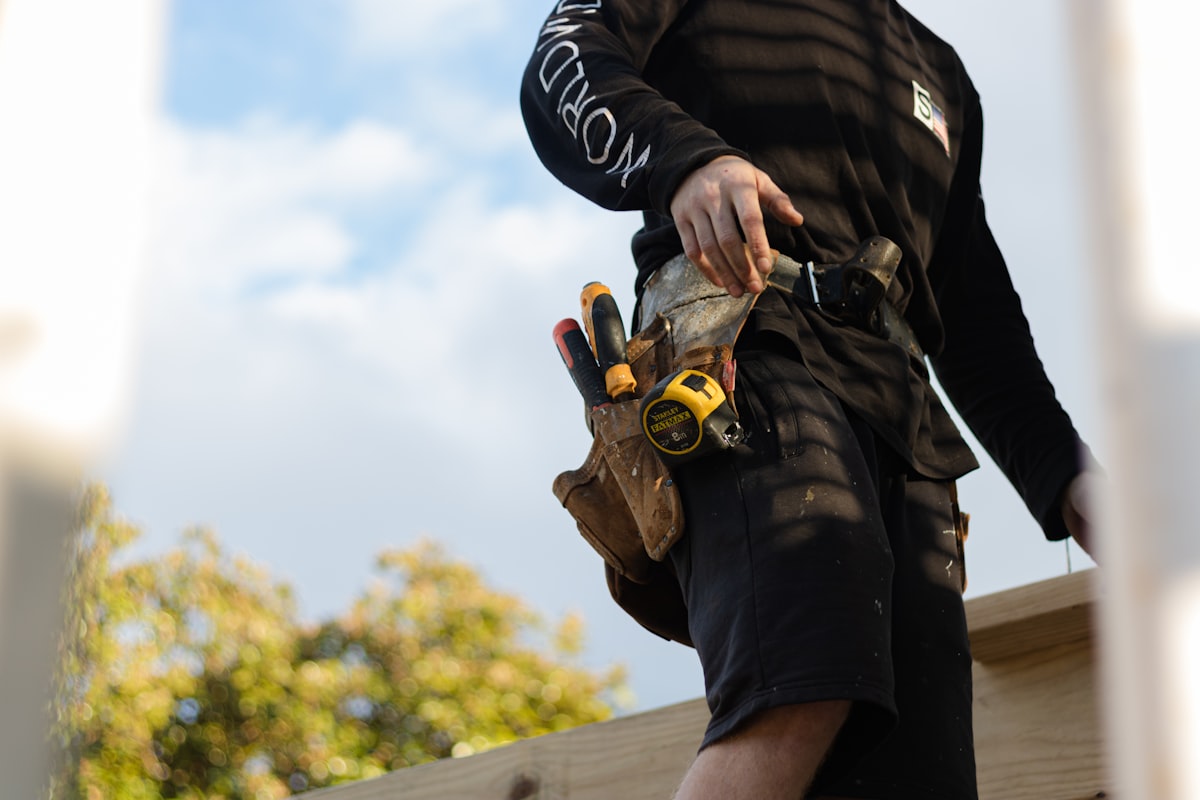
Using wax alone works best on pieces with low wear expectations:
- Sand to at least 220 grit. For maximum smoothness, continue to 400 grit.
- Apply wax with a soft cloth or 0000 steel wool in the direction of the grain.
- Allow to dry for 15-20 minutes until the surface hazes.
- Buff with a clean, soft cloth. More buffing creates more sheen.
- Apply 2-3 coats for better protection, buffing between each.
Wax Over Other Finishes
Wax excels as a final coat over cured film finishes:
- Over shellac, lacquer, or varnish, wax fills minor scratches and creates a deeper luster.
- Wait for the underlying finish to fully cure (typically 2-4 weeks for varnish).
- Use 0000 steel wool to apply the wax, simultaneously smoothing the surface.
- Do not wax over water-based polyurethane—adhesion is poor.
Maintenance and Durability

Wax finishes require regular maintenance—every few months for handled items, annually for display pieces. The advantage is that refreshing takes minutes: clean the surface, apply thin wax, buff. Wax provides almost no protection against water or heat, making it unsuitable for tabletops that see daily use.

Stay in the loop
Get the latest fine finish wood working updates delivered to your inbox.