Grain raising has gotten complicated with all the mixed opinions flying around online. As someone who’s dealt with rough finishes more times than I’d like to remember, I learned everything there is to know about pre-raising grain before applying water-based products. Today, I will share it all with you.
Here’s the deal — water-based finishes raise the grain of wood, leaving a rough surface even after you’ve done careful sanding. Professional finishers deliberately raise the grain first to prevent this problem in the final finish. It took me an embarrassingly long time to figure this out, but once I did, my water-based finishes improved overnight.
The Simple Process
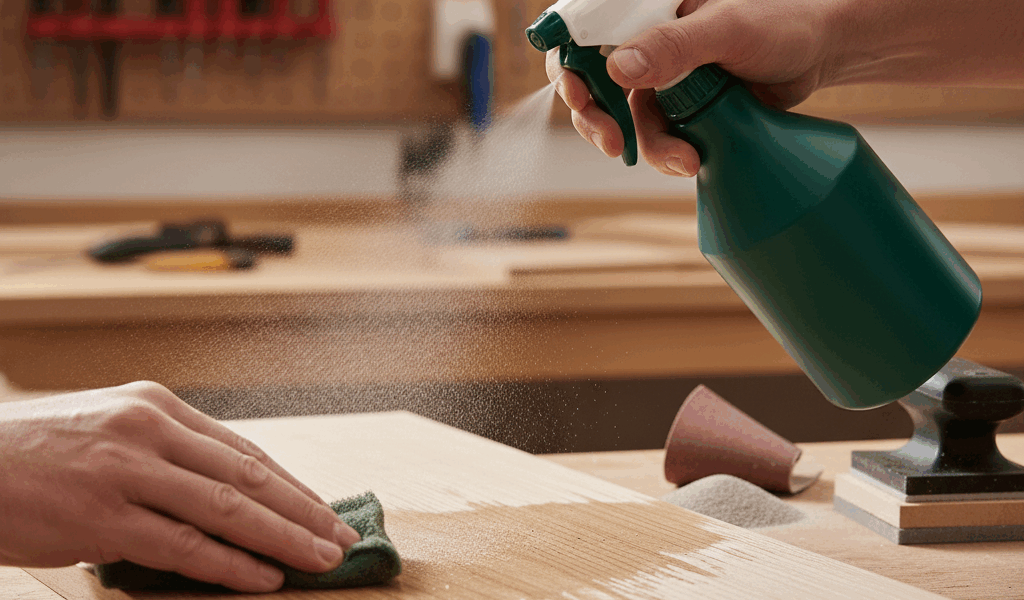
Wipe your sanded piece with a damp cloth. Let it dry completely. The wood fibers swell and stand up — you can feel it with your fingertips. Sand lightly with fine grit to remove those raised fibers. Now when you apply your water-based finish, it goes on smooth because there’s nothing left to swell up.
When to Skip This Step
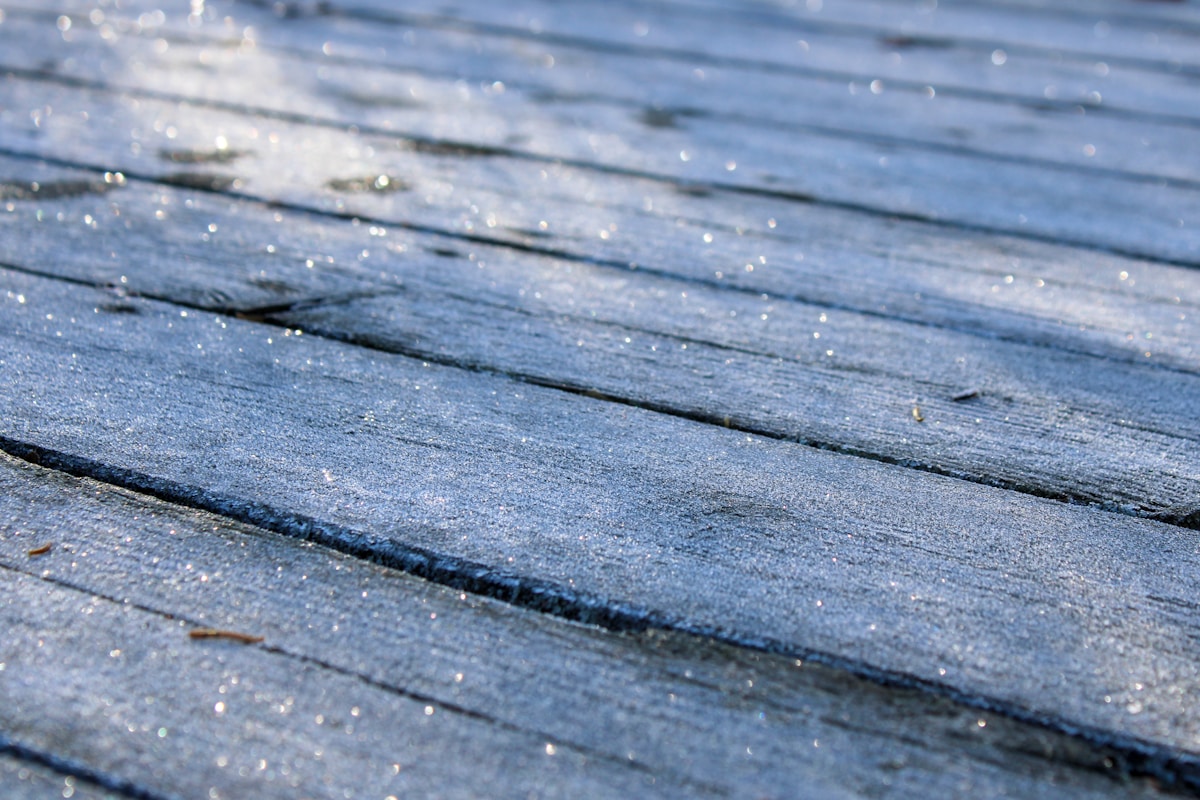
Oil-based finishes don’t raise grain significantly, so if you’re using polyurethane or Danish oil, grain raising isn’t necessary. The technique applies specifically to water-based products. I only bother with this step when I know water-based finish is going on the piece.
Common Errors
Probably should have led with this section, honestly. Using too much water floods the wood and causes all sorts of problems — warping, swelling, staining. A slightly damp cloth works best. Also, don’t sand too aggressively after raising grain. You want to remove just the fuzz, not dig into fresh wood underneath. I’ve over-sanded a couple times and had to redo the whole surface.
That’s what makes this trick endearing to us woodworkers who prefer water-based finishes — it’s five minutes of work that eliminates that frustrating rough texture in your final coat. Try it once and you’ll do it every time.




Stay in the loop
Get the latest fine finish wood working updates delivered to your inbox.