The 10 Best Woods for Woodworking, According to Lumber Professionals

Choosing the right wood can make or break your project. Whether you’re building heirloom furniture or tackling weekend projects, understanding which species deliver the best results — and why — is essential knowledge for any serious woodworker.

We consulted with hardwood lumber professionals and analyzed wood characteristics to compile this definitive guide to premium woodworking materials.

The Elite Hardwoods: Worth Every Dollar

Mahogany — The Gold Standard

Ask any experienced woodworker about premium wood, and mahogany tops the list. Hardwood lumber professionals call it “the elite of hardwoods,” and that reputation is well-earned.

What makes it special:

  • Signature reddish-brown to blood-red color that deepens with age
  • Straight grain with medium texture — ideal for detailed work
  • Exceptional stability once dried
  • Has been the furniture maker’s choice since the late 1700s

Best applications: Fine furniture, cabinetry, boat building, and any project where appearance matters as much as function.

Black Walnut — America’s Finest

Black walnut combines stunning aesthetics with remarkable workability. Its rich, dark tones and figured grain patterns have made it a favorite of American craftsmen for generations.

What makes it special:

  • Deep chocolate-brown heartwood with occasional purple highlights
  • Extremely durable with excellent glue adhesion
  • Responds beautifully to steam bending
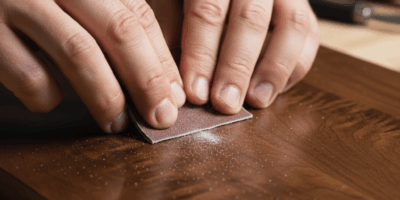
  • Best finished by hand sanding to reveal its natural luster

Best applications: Gun stocks, high-end furniture, decorative veneers, and turned items.

Cherry — The Wood That Improves With Age

Cherry starts life as a light pinkish-brown and matures to a rich, warm reddish-brown — a transformation that adds character to pieces over decades of use.

What makes it special:

  • Straight grain with fine, uniform, satin-like texture
  • Moderately durable with natural resistance to rot and insects
  • Machines exceptionally well with minimal tear-out
  • Develops beautiful patina over time

Best applications: Cabinets, fine furniture, flooring, and architectural millwork.

High-Performance Hardwoods

White Oak — The Versatile Workhorse

White oak may be the most-used hardwood in construction, and for good reason. Its combination of strength, durability, and moisture resistance makes it suitable for nearly any application.

Key advantages:

  • Closed grain structure resists moisture penetration
  • Excellent for outdoor projects and boat building
  • Takes stains and finishes predictably
  • More affordable than exotic hardwoods

Hard Maple — Built to Last

When durability is paramount, hard maple delivers. Its resistance to wear and shock absorption make it the choice for flooring, butcher blocks, and items that need to withstand heavy use.

Key advantages:

  • Extremely hard and resistant to denting
  • Light color brightens any space
  • Excellent stability and dimensional consistency
  • More affordable than most premium hardwoods

Ash — The Hidden Gem

Often overlooked, ash offers stellar durability with excellent workability. Its pronounced grain pattern adds visual interest, while its properties make it a pleasure to work with.

Key advantages:

  • Machines well with hand and power tools
  • Takes stain easily for consistent color
  • Strong yet flexible — ideal for bent laminations
  • Generally priced below walnut and cherry

Specialty Woods Worth Knowing

Teak — The Outdoor Champion

When projects will live outdoors, teak’s natural oils provide unmatched protection against rot, moisture, and insects. Its weather resistance ensures projects remain beautiful for decades without extensive maintenance.

Sapele — Mahogany’s Affordable Cousin

This African hardwood delivers appearance and grain texture remarkably similar to genuine mahogany at a lower price point. Its high durability, strength, and density make it suitable for both interior and exterior applications.

Understanding Lumber Grades

Premium wood means nothing if it’s full of defects. Here’s what the grades mean:

FAS (First and Second): The highest grade of hardwood lumber. Typically 6″ x 8″ minimum with 83% clear face on the best side. This is what you want for fine furniture.

Select Grade: Slightly smaller minimum dimensions (4″ x 6″) but still 83% clear. Ideal for most woodworking projects.

Common Grades: More defects allowed, but often suitable for painted work or projects where knots add character.

For Beginning Woodworkers

Not ready to invest in premium hardwoods? Start with these forgiving options:

Poplar: A softer hardwood that’s more susceptible to denting, but one of the easiest materials to work with. Its even tone and affordable price make it perfect for learning. It’s typically the cheapest hardwood at the lumberyard.

Soft Maple: Offers many of hard maple’s qualities at a lower price and with easier machinability.

Cedar: Naturally resistant to rot and insects, ideal for outdoor projects. Its distinctive aroma is a bonus.

The Bottom Line

Quality wood is an investment that pays dividends in the finished product. For heirloom pieces, mahogany, walnut, and cherry justify their premium prices. For everyday projects, white oak and maple offer excellent performance at reasonable costs.

Whatever you choose, buy the best grade your budget allows. A piece of FAS walnut will be a joy to work and will showcase your skills far better than knotty, warped lumber ever could.

Mike Holbrook

Mike Holbrook

Author & Expert

Professional furniture restorer with 25 years in the trade. Mike specializes in period finishes and antique repair, bringing museum-quality techniques to his residential restoration work. Based in Vermont.

5 Articles
View All Posts

Subscribe for Updates

Get the latest articles delivered to your inbox.