
Why Woodworkers Love Shellac

Shellac is a natural resin secreted by lac bugs and dissolved in alcohol. It has been used as a wood finish for centuries and remains popular for good reasons: it dries fast, builds quickly, is non-toxic when cured, and creates a warm, amber tone that enhances wood grain beautifully.
Understanding Shellac Cuts
Shellac concentration is measured in “pound cuts”—the pounds of shellac flakes dissolved in a gallon of alcohol:
- 1-pound cut: Thin consistency, ideal for sealer coats and French polishing.
- 2-pound cut: The most versatile concentration for general finishing.
- 3-pound cut: Builds faster but may show brush marks; best for padding application.
Pre-mixed shellac from stores is typically 3-pound cut. Thin it with denatured alcohol for lighter coats.
Waxed vs. Dewaxed Shellac

Natural shellac contains wax that can interfere with other finishes:
- Waxed shellac: More moisture-resistant, slightly amber color. Use as a final finish or under wax topcoats only.
- Dewaxed shellac (SealCoat): Compatible with any topcoat. Essential when using shellac as a sealer under polyurethane or lacquer.
Application Methods
Brush application:
- Use a natural bristle brush. Shellac dissolves synthetic bristles.
- Apply thin, even coats in long strokes. Don’t overwork—shellac sets quickly.
- Sand lightly with 320 grit between coats after 1-2 hours.
- Apply 3-4 coats for furniture, more for tabletops.
Padding/French polish: For the highest quality finish, apply shellac with a cloth pad in circular then straight motions. This technique takes practice but produces unmatched clarity and depth.
Limitations and Maintenance
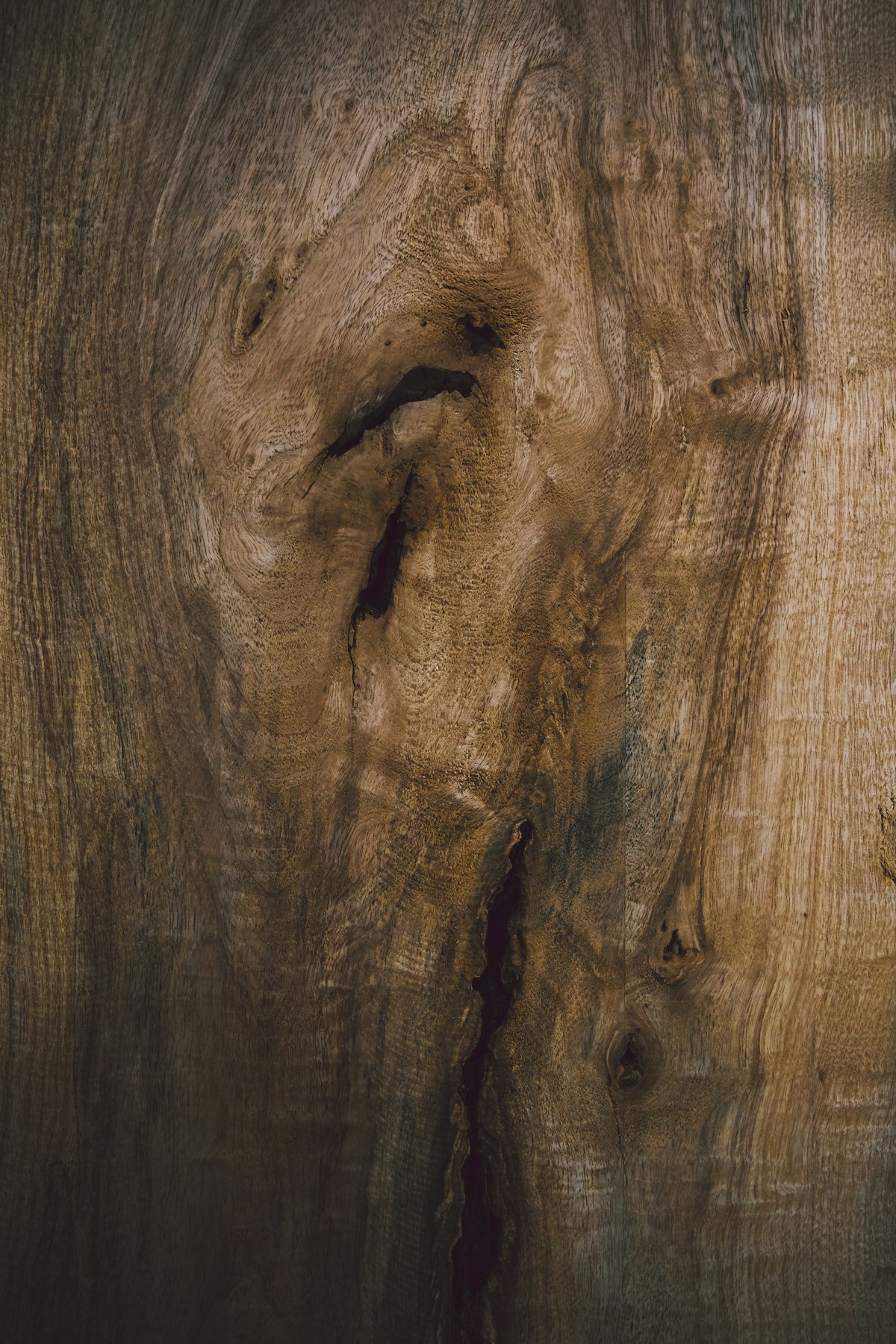
Shellac is not waterproof—water rings form quickly on unprotected shellac. Alcohol dissolves it (so no cocktails on shellac tables). However, damage is easy to repair: simply apply more shellac, which partially dissolves into the existing finish and blends seamlessly. This repair-ability makes shellac excellent for antiques and heirloom pieces.

Stay in the loop
Get the latest fine finish wood working updates delivered to your inbox.