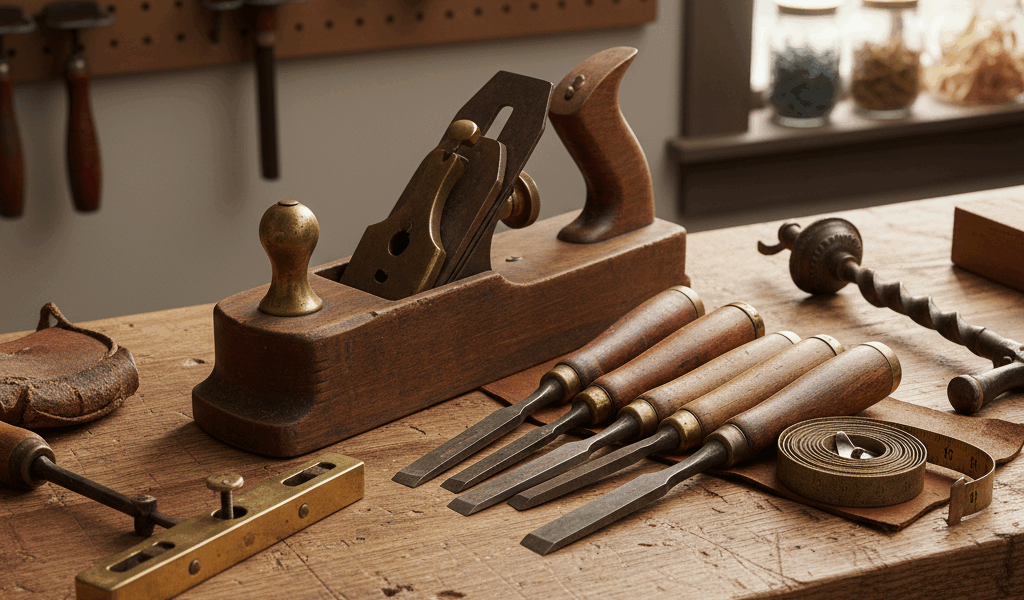
Woodworking tool debates have gotten complicated with all the “new is better” consumerism and “vintage only” puritanism flying around. As someone who’s spent years using both vintage hand tools and modern alternatives in actual workshop settings, I’ve learned everything there is to know about where vintage genuinely wins and where it doesn’t. Today, I’ll share it all with you.
The case for vintage hand tools over new ones is not sentimental. It’s not about nostalgia or a romantic attachment to craft traditions. It’s about metallurgy, manufacturing standards, and the specific physics of cutting wood. Once you’ve used a properly tuned vintage hand plane or a well-maintained antique chisel set, the comparison to most contemporary mass-market tools becomes uncomfortable.
The Steel Question: What Actually Changed
The most significant difference between vintage hand tools and modern mass-market equivalents is often the steel. Pre-1970s hand planes and chisels — particularly those made in Sheffield, England and in the United States during the early-to-mid twentieth century — were frequently manufactured from high-carbon tool steels with specific hardness profiles that balanced edge retention with workability.
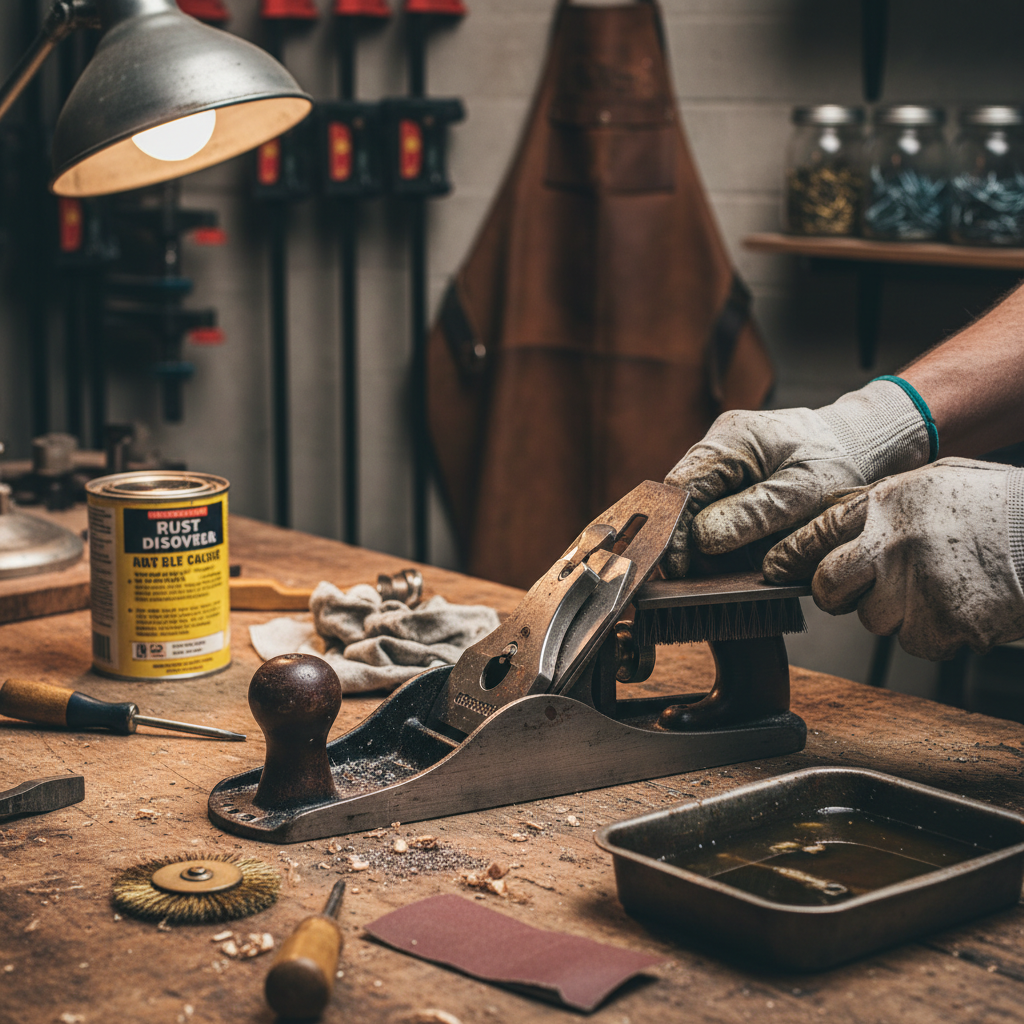
The Stanley Bailey hand planes from the 1920s through 1960s used a steel in their irons that many woodworkers describe as the sweet spot: hard enough to hold an edge through extended planing, soft enough to sharpen efficiently without excessive time at the wheel. Modern premium tools — Lie-Nielsen, Veritas, Blue Spruce — use quality steels that match or exceed vintage equivalents. But these tools cost $100-400 for a single hand plane. The mass-market alternatives, made largely in China or Eastern Europe to price points that force material compromises, use softer steels that dull quickly. Vintage tools from quality manufacturers largely dodge this category because the manufacturing economics of their era allowed better steel at accessible prices. That’s what makes the vintage market endearing to us who study tool metallurgy — you get the quality tier without paying the premium tier price.
Beech and Rosewood Handles: Ergonomics That Survived
Probably should have led with the ergonomics comparison, honestly — pick up a vintage Stanley No. 4 smoothing plane from the 1950s and compare the tote (rear handle) and knob to a modern Stanley Handyman equivalent from the hardware store. The vintage tote is rosewood or beech, shaped to a profile that reflects someone actually thinking about how a hand fits and exerts force during planing. The modern equivalent is stamped polymer in a shape that compromises ergonomics for manufacturing economy.
The same comparison applies to vintage chisels. Ashley Iles, Robert Sorby, Marples, Buck Brothers — these manufacturers built wooden handles in oval cross-sections that resist rotation in the hand and transmit mallet strikes efficiently to the blade. Woodworking tools that feel good to use get used. Tools that feel wrong accumulate dust. I’m apparently one of those woodworkers who made this discovery after spending money on new tools that sat in a drawer while I reached for old ones that felt right.
Where to Find Vintage Hand Tools
The vintage tool market is accessible to anyone willing to spend time at estate sales, antique markets, and online platforms. eBay is the deepest market by volume — search specifically for vintage Stanley, Record, Marples, Buck Brothers, and Disston (for handsaws). The knowledge required to buy well: learn to identify the manufacturing date codes used by Stanley and Record planes (the lateral adjustment lever casting and the knob/tote materials identify era), understand what “user quality” versus “collector quality” means, and develop basic assessment skills for identifying tools that need work versus tools beyond economic rehabilitation.
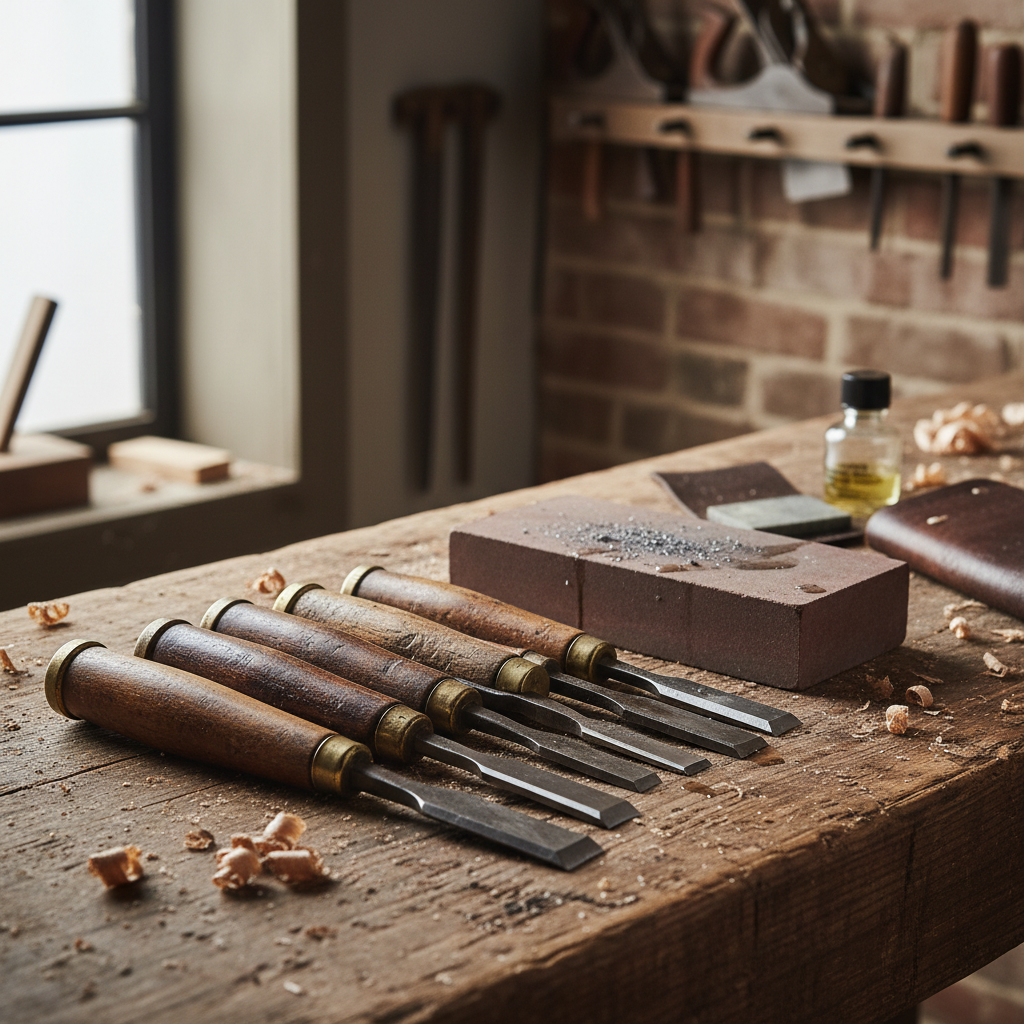
Frustrated by the appearance of rusty tools, many buyers walk away from genuine bargains. Rust is usually the most intimidating issue when evaluating vintage tools, and it’s often the least significant one. Surface rust on cast iron planes or steel saw blades cleans up with careful rust removal — evaporust, electrolysis, or patient work with sandpaper — and the underlying metal is typically fine. Pitting that extends into cutting edges or seating surfaces is more problematic. Missing or broken parts on well-documented vintage planes are addressable because replacement parts are available from specialist suppliers.
The Sharpening Advantage
One underappreciated benefit of vintage tools: the process of tuning and sharpening them teaches you things that buying a premium new tool doesn’t. When you flatten the sole of a vintage Stanley plane, set the chip breaker, hone the iron to a proper edge, and take your first full-length shaving from a board, you understand what the tool is doing in a way that opening a box and picking up a Lie-Nielsen doesn’t provide. The vintage tool demands that you understand it. That understanding makes you a better woodworker than the shortcut of buying a pre-tuned premium tool, however good the premium tool is.
The financial argument is straightforward: a well-selected vintage Stanley No. 4 in need of cleaning costs $30-60 and performs comparably to a Lie-Nielsen No. 4 at $400+, once tuned. The vintage tool costs less and teaches you more. That’s not nostalgia. That’s just an honest comparison.



Stay in the loop
Get the latest fine finish wood working updates delivered to your inbox.