Wood boards with visible grain

FPL Wood Finishing Research: A Sixty-Five Year Chronicle

For sixty-five years, the Forest Products Laboratory in Madison, Wisconsin, conducted continuous research on outdoor wood finishing. Early efforts focused on fundamental weathering and established paintability classifications based on species, texture, ring orientation, and defects. The program evolved to evaluate degradation mechanisms in finishes and wood-based materials. A major outcome was the development of the FPL Natural Finish, designed to offer homeowners more durable and reliable protection than previous options.

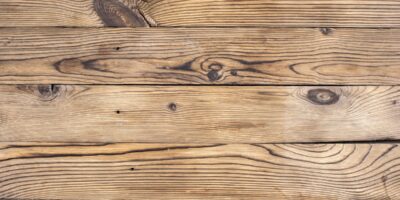
Wood boards with visible grain

Wood Growth Rate and Density Impact Finish Service Life

Selecting lumber for outdoor projects requires understanding how intrinsic properties like growth rate and density influence finish durability. Research indicates that slow growth rates generally correlate with higher wood density, which can affect resistance to weathering. Additionally, the presence of knots and extractives plays a critical role in determining how long a finish will last on specific species before maintenance is required.

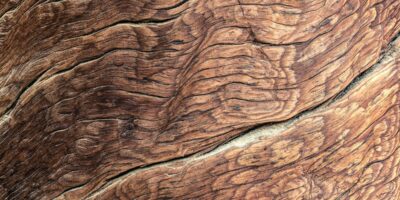
Close-up of wood grain

Western Juniper Finish Discoloration Explained

Yellowing on western juniper finishes stems from extractive migration, not wood failure. These chemicals accumulate during the tree's aging process and alter coating properties like wettability and curing. Unlike structural defects caused by moisture or stress, this cosmetic shift leaves mechanical strength intact.

Wood boards with visible grain

Why Finishes Only Slow Wood Movement, Not Stop It

Applying a new sealant or finish to warped veneered furniture often fails because coatings merely retard dimensional changes rather than preventing them. Moisture shifts in the surrounding air cause wood to expand and contract; if the product was not fabricated at equilibrium moisture content for those conditions, distortion will occur regardless of surface protection. The guide notes that while protective layers slow the process, they cannot eliminate the inherent response of wood to humidity variations.

Close-up of wood grain

Why Tree Sap Oozes from Lumber and How to Set the Pitch

Tree sap oozes from dried lumber because volatile compounds like terpenes remain in the resin. To prevent this, kiln operators set the pitch by heating wood to a critical temperature of 160 °F. This heat drives off the volatiles, leaving only stable rosin that no longer flows as a liquid during normal service.

Stay in the loop

Get the latest fine finish wood working updates delivered to your inbox.