Pressure-Treated Pine: The Budget Champion has gotten complicated with all the options and conflicting advice flying around. As someone who has spent years working with wood finishes in my own shop, I learned everything there is to know about this subject. Today, I will share it all with you.
That gorgeous cedar deck your neighbor built? It doesn’t absorb stain the same way as your five-year-old pressure-treated pine. Understanding your wood species is the difference between a finish that glows and one that blotches.
Every wood has different density, grain patterns, and natural oils that affect how stain penetrates and appears. Here’s what you need to know about the most common deck materials.
Pressure-Treated Pine: The Budget Champion
Probably should have led with this section, honestly.
Most decks in North America are built from pressure-treated Southern Yellow Pine. It’s affordable, widely available, and the preservative treatment makes it rot-resistant. But staining PT pine has challenges.
The good: Pine absorbs stain readily once it’s properly dried and prepped. Semi-transparent stains look rich and enhance the grain nicely.
The bad: Green-tinted preservatives can show through lighter stains. Pine is soft and dents easily—you’ll see every dropped tool. The end grain sucks up stain like a sponge, creating dark spots at board ends.
Best stain approach: Wait 3-6 months after installation for the wood to dry. Use a semi-transparent stain in medium tones (cedar, walnut) to mask the greenish tint. Seal end grains first with a quick pre-coat before staining the full boards.
Cedar: Beautiful But Demanding
Western Red Cedar is prized for its natural beauty, stability, and rot resistance. Left unstained, it weathers to a silver-gray that some people love. But if you want to preserve that warm reddish tone, you need a consistent maintenance schedule.
The good: Cedar’s natural oils make it dimensionally stable—boards don’t warp and cup like pine. Transparent stains look stunning, showing off the tight grain.
The bad: Those same natural oils can prevent stain adhesion if you don’t prep properly. Cedar also extracts tannins that can bleed through lighter stains, leaving brown streaks.
Best stain approach: Transparent or light semi-transparent stains showcase cedar’s beauty. Clean with a tannin-blocking brightener before staining. Use oil-based stains if possible—they bond better with cedar’s oils. Expect to restain every 1-2 years for transparent finishes, 2-3 years for semi-transparent.
Redwood: The Premium Choice
California redwood is the gold standard for deck lumber—naturally rot-resistant, stable, and absolutely gorgeous. It’s also increasingly expensive and harder to source sustainably.
The good: Redwood takes stain beautifully. The deep red heartwood looks incredible with clear or light-tinted penetrating oils. The grain is tight and even.
The bad: Like cedar, redwood contains tannins that can bleed through. And the cost means mistakes are expensive. Don’t experiment on your redwood deck.
Best stain approach: Many redwood owners use transparent penetrating oils (pure tung oil, Penofin) to enhance rather than color the wood. If you want color, go one shade warmer than you think—redwood’s natural red undertones affect final color significantly.
Composite and PVC: A Different Game
Technically, composite decking (Trex, TimberTech, Fiberon) and PVC boards don’t need staining. But after 10-15 years, many homeowners want to refresh faded colors.
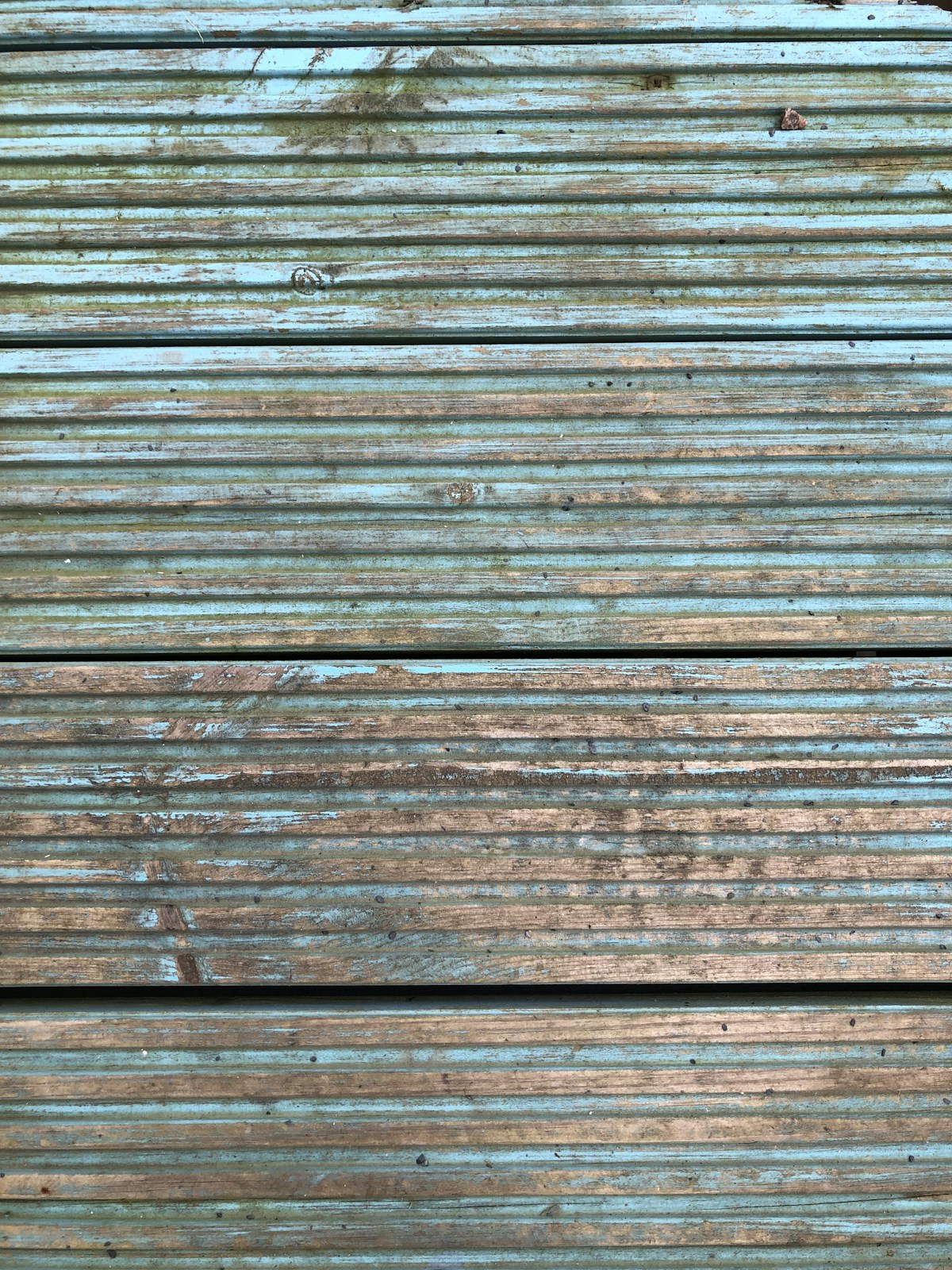
The challenge: Traditional deck stains don’t bond to plastic-based materials. They’ll peel within months.
The solution: Specialty coatings designed for composites—essentially exterior paints formulated to flex with the material. Behr, Olympic, and SaverSystems make composite-specific products. Prep involves thorough cleaning and sometimes light scuffing for adhesion.
Just know: once you coat composite, you’re committed to recoating periodically. There’s no going back to bare material.
Exotic Hardwoods: Ipe, Tigerwood, Cumaru
These tropical hardwoods are incredibly dense, durable, and beautiful. They’re also notoriously difficult to stain.
The challenge: Density so high that stain sits on the surface rather than penetrating. Natural oils that repel water-based products. Tight grain that doesn’t absorb like softwoods.
The solution: Use products specifically formulated for exotic hardwoods. Penofin Exotic Hardwood Formula and Cabot Australian Timber Oil are the standards. Apply thin coats—heavy application leads to tacky, never-curing surfaces. Some professionals recommend a light sanding with 80-grit between coats to improve penetration.
Many exotic hardwood owners simply let their decks weather to gray and apply periodic brightener treatments instead of fighting with stain.
The Age Factor
Beyond species, consider your deck’s age:
New wood (0-6 months): Needs time to dry and acclimate. Test moisture levels before staining. Water-based products are more forgiving of residual moisture.
Mature wood (1-10 years): Ideal for staining. The wood has stabilized, accepted some weathering, and will absorb stain evenly after proper cleaning.
Old wood (10+ years): May have deep weathering that requires restoration. Gray, porous surfaces need aggressive prep—stripping, brightening, possibly sanding. Consider solid stains to hide accumulated damage.
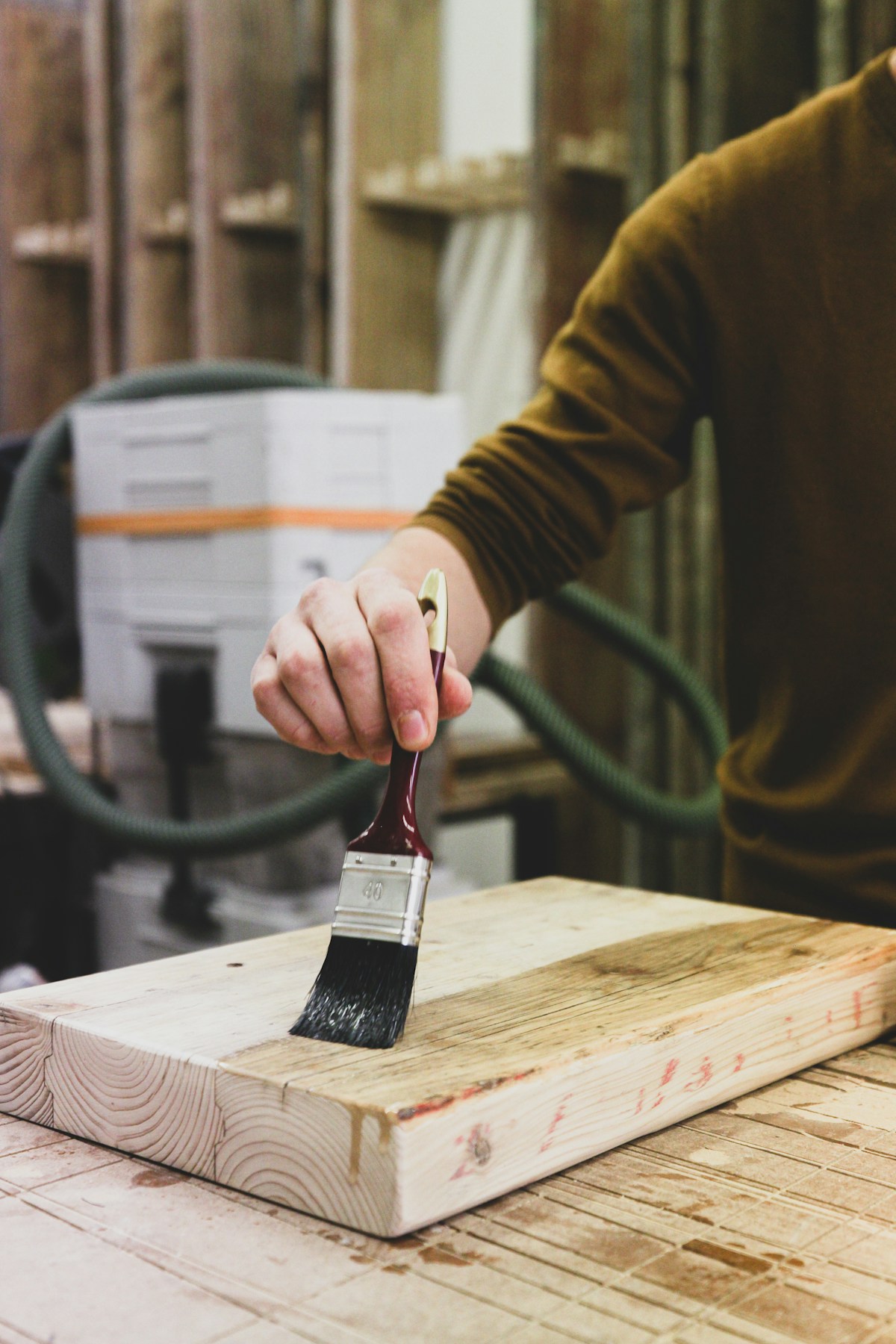
Quick Reference: Stain Recommendations by Wood Type
| Wood Type | Recommended Stain Type | Expected Life |
|---|---|---|
| Pressure-Treated Pine | Semi-transparent, medium tones | 2-4 years |
| Cedar | Transparent or light semi-transparent | 1-3 years |
| Redwood | Penetrating oil or transparent | 1-2 years |
| Exotic Hardwoods | Specialty hardwood oil | 1-2 years |
| Composite | Composite-specific coating | 3-5 years |
Find the perfect stain for your wood type using our Stain Color Finder—filter by brand, color, and wood compatibility.


Stay in the loop
Get the latest fine finish wood working updates delivered to your inbox.