Pine Finish
Understanding Wax Wood Finishes has gotten complicated with all the options and conflicting advice flying around. As someone who has spent years working with wood...
Understanding Wax Wood Finishes has gotten complicated with all the options and conflicting advice flying around. As someone who has spent years working with wood...
Why Woodworkers Love Shellac Shellac is a natural resin secreted by lac bugs and dissolved in alcohol. It has been used as a wood finish...

Polyurethane: The Durable Choice Polyurethane is the most common protective finish for wood due to its excellent durability, water resistance, and availability. Understanding the differences...
Why Spray Lacquer? Lacquer delivers a beautiful, durable finish faster than any other option. It dries in minutes, can be recoated in 30-60 minutes, and...
Oil Finishes: A Natural Approach Oil finishes penetrate into wood rather than sitting on top like film finishes. They’re easy to apply, forgiving of technique...
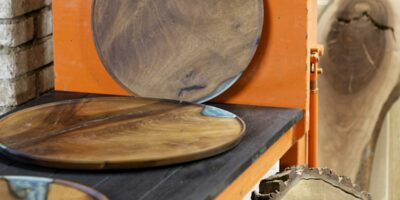
Wood Stain Fundamentals Stain changes wood color while allowing the grain pattern to show through. Unlike paint, stain penetrates the wood surface to some degree,...
Wood finishing transforms raw lumber into beautiful, durable furniture. Proper surface preparation and finish application determine final appearance. This article contains affiliate links. We may...
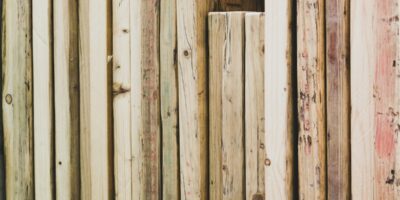
Wood finishing transforms raw lumber into beautiful, durable furniture. Proper surface preparation and finish application determine final appearance. This article contains affiliate links. We may...
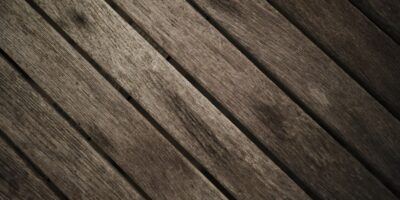
Best Finish for Exterior Wood Exterior wood requires protection from the elements. Exposure to sunlight, rain, wind, and temperature changes can affect its longevity. C
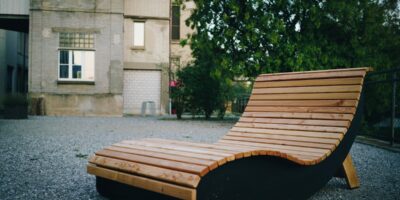
Choosing the Right Finish for a Wooden Cutting Board has gotten complicated with all the options and conflicting advice flying around. As someone who has...
Stay in the loop
Get the latest fine finish wood working updates delivered to your inbox.