4000 Grit and Paste Wax – Rubbing Out Lacquer to a Mirror…
Beyond Factory Perfect Fresh lacquer straight from the gun looks good. Smooth, even sheen, consistent across the surface. But good isn’t exceptional. The finishes on...
Beyond Factory Perfect Fresh lacquer straight from the gun looks good. Smooth, even sheen, consistent across the surface. But good isn’t exceptional. The finishes on...

Vintage antique woodwork has gotten complicated with all the reproductions, misleading labels, and Instagram “experts” flying around. As someone who’s been collecting, restoring, and studying...
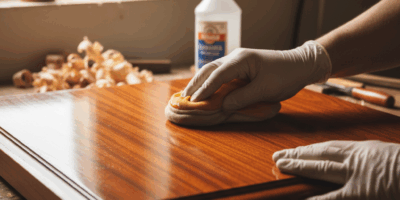
The Finish That Built Empires Three centuries ago, European craftsmen developed a finishing technique so refined that pieces made with it still glow today. French...
Updated January 2026 | Side-by-side tests on red oak, white oak, walnut, and mahogany I tested the same finish on four boards – two with...
The $12 Insurance Policy You’ve spent weeks building a project. The wood cost $300. The hardware cost another $75. You’ve invested forty hours of careful...

Updated January 2026 | Tested on Eastern white pine, sugar pine, and Ponderosa pine Mistake I Made: My first pine bookshelf looked like it had...

Updated January 2026 | Tested on red oak, white ash, and hard maple Skip this step and you will feel every raised fiber through your...
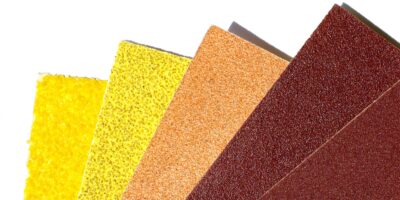
The Difference Between Good and Flawless You’ve applied your first coat of finish. It looks good. You’re tempted to add another coat and call it...

I spent probably my first two years of finishing using nothing but spray cans and disposable brushes because the idea of actually learning proper brush...
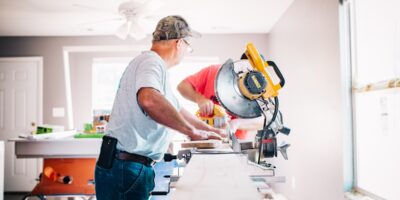
Choosing a wood finish has gotten complicated with all the options flying around at the hardware store. As someone who ruined more projects than I...
Stay in the loop
Get the latest fine finish wood working updates delivered to your inbox.