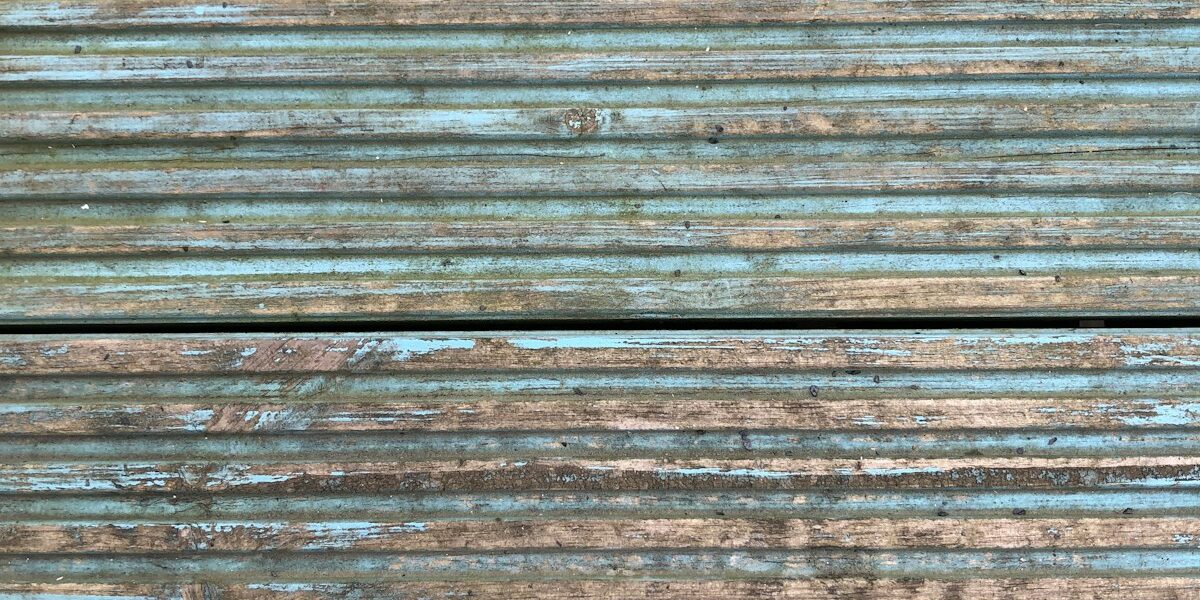
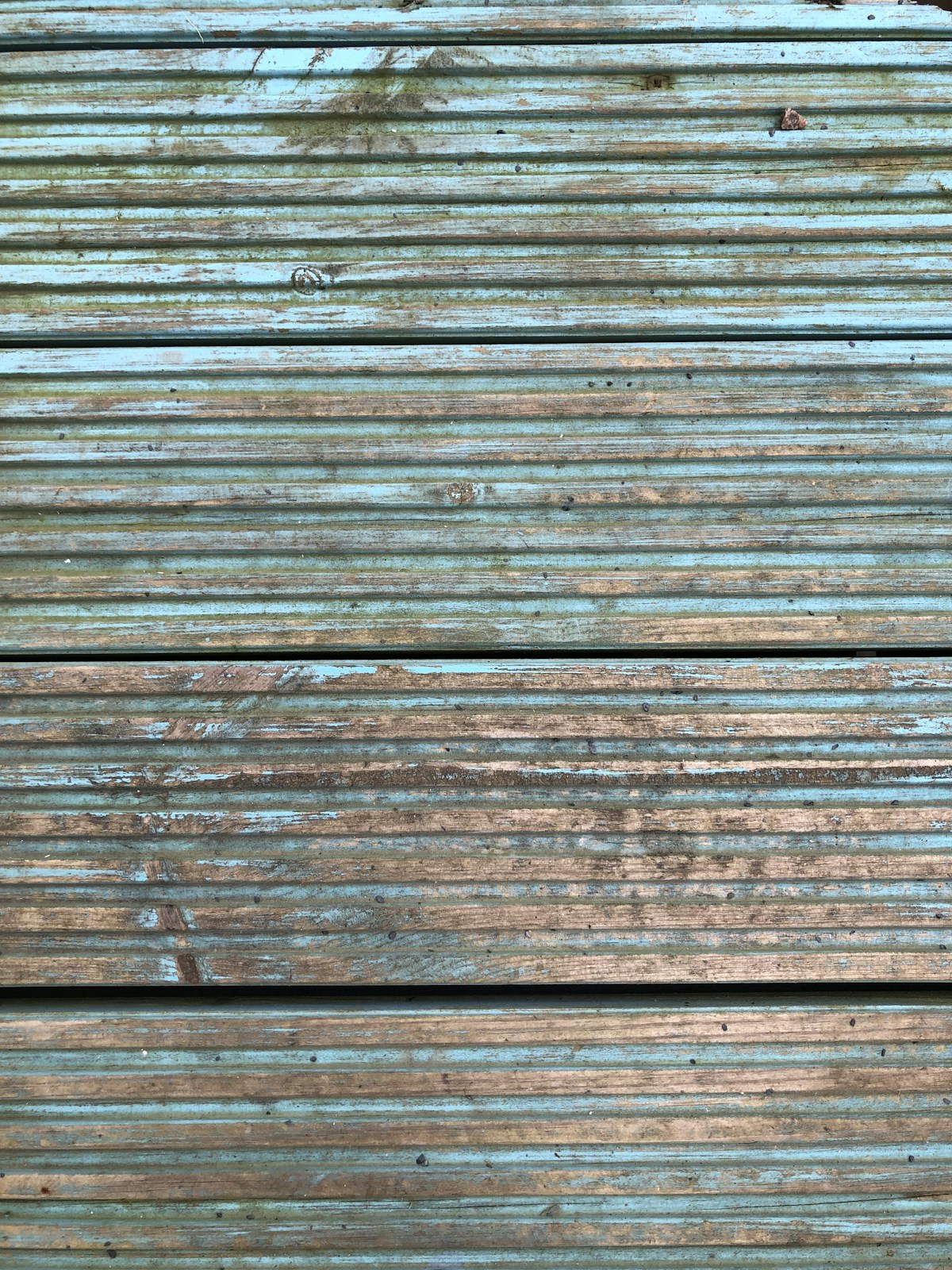
Every spring, homeowners across the country stain their decks. By the following spring, most of those finishes have failed. Peeling, graying, flaking – the familiar signs of a staining job gone wrong. Why do so many DIY deck projects fail, and how can you avoid the same mistakes?
Mistake #1: Staining Over Old Finish
The most common failure. New stain doesn’t bond to old stain. Period. If there’s any existing finish on those boards – even if it looks worn away – the new product has nothing to grip.
The fix: Strip old finish completely. Deck strippers or power washing (carefully) can remove old product. The wood should absorb water droplets, not bead them. If water beads, there’s still finish to remove.
Mistake #2: Skipping the Brightener
After stripping or cleaning, wood fibers are raised and often gray. Many DIYers jump straight to staining. The result: muddy color and poor penetration.
The fix: Apply wood brightener after stripping. This restores the wood’s pH balance, tightens fibers, and brings back natural color. It takes 15 minutes and makes a dramatic difference in final results.
Mistake #3: Staining in Direct Sunlight
Deck stain needs time to penetrate wood fibers. In direct sun on a hot day, it dries on the surface before soaking in. You get a film sitting on top of the wood instead of protection within it. That film peels.
The fix: Work in shade or wait for overcast conditions. Early morning or late afternoon works well. Surface temperature matters more than air temperature.
Mistake #4: Applying Too Much Product
More isn’t better. Heavy coats pool in low spots and dry into thick films that crack and peel. Wood can only absorb so much stain.
The fix: Apply thin, even coats. If the stain pools or stays wet after 15 minutes, you’ve applied too much. Wipe off excess immediately.
Mistake #5: Using the Wrong Product
Horizontal surfaces take more abuse than vertical ones. The deck finish that works great on siding may fail on a deck. Also, film-forming finishes (solid stains, paints) peel more often than penetrating finishes on decks.
The fix: Use products specifically designed for decks. Penetrating stains generally outperform film-forming products on horizontal surfaces. Semi-transparent penetrating stains are forgiving and easy to maintain.
The Simple Path to Success
Clean the wood. Brighten the wood. Wait for good weather. Apply thin coats. It’s not complicated, but each step matters. Skip any one and you’ll be stripping and restaining next year.



Stay in the loop
Get the latest fine finish wood working updates delivered to your inbox.