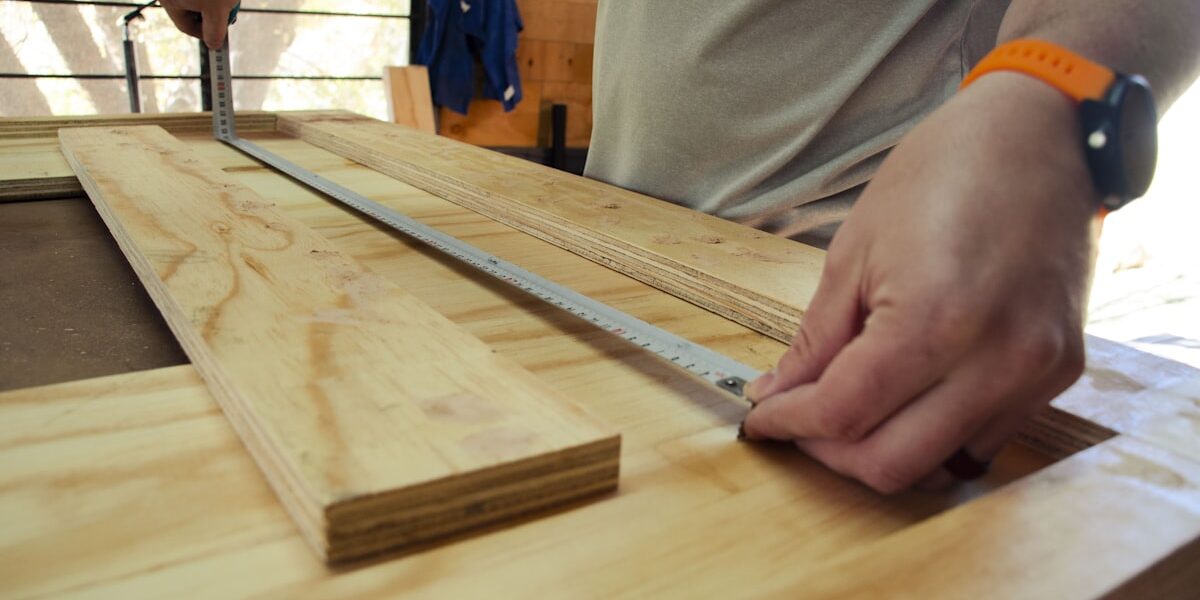
Outdoor wood finishes has gotten complicated with all the product claims and conflicting recommendations flying around. As someone who refinished my own deck three times before getting it right, I learned everything there is to know about what actually works outdoors. Today, I will share it all with you.
Outdoor Wood Finishes: What Actually Works
I have got a deck out back that I refinished three times before I figured out what I was doing wrong. First time I used some interior polyurethane because I had it sitting around – lasted about six months before peeling off in sheets. Second time I went cheap on the stain and it faded to gray by August. Third time I finally did some research, picked the right product, and that finish held up for four years before needing a refresh. So yeah, I learned outdoor finishes the expensive way.
Why Outdoor Finishes Are Different
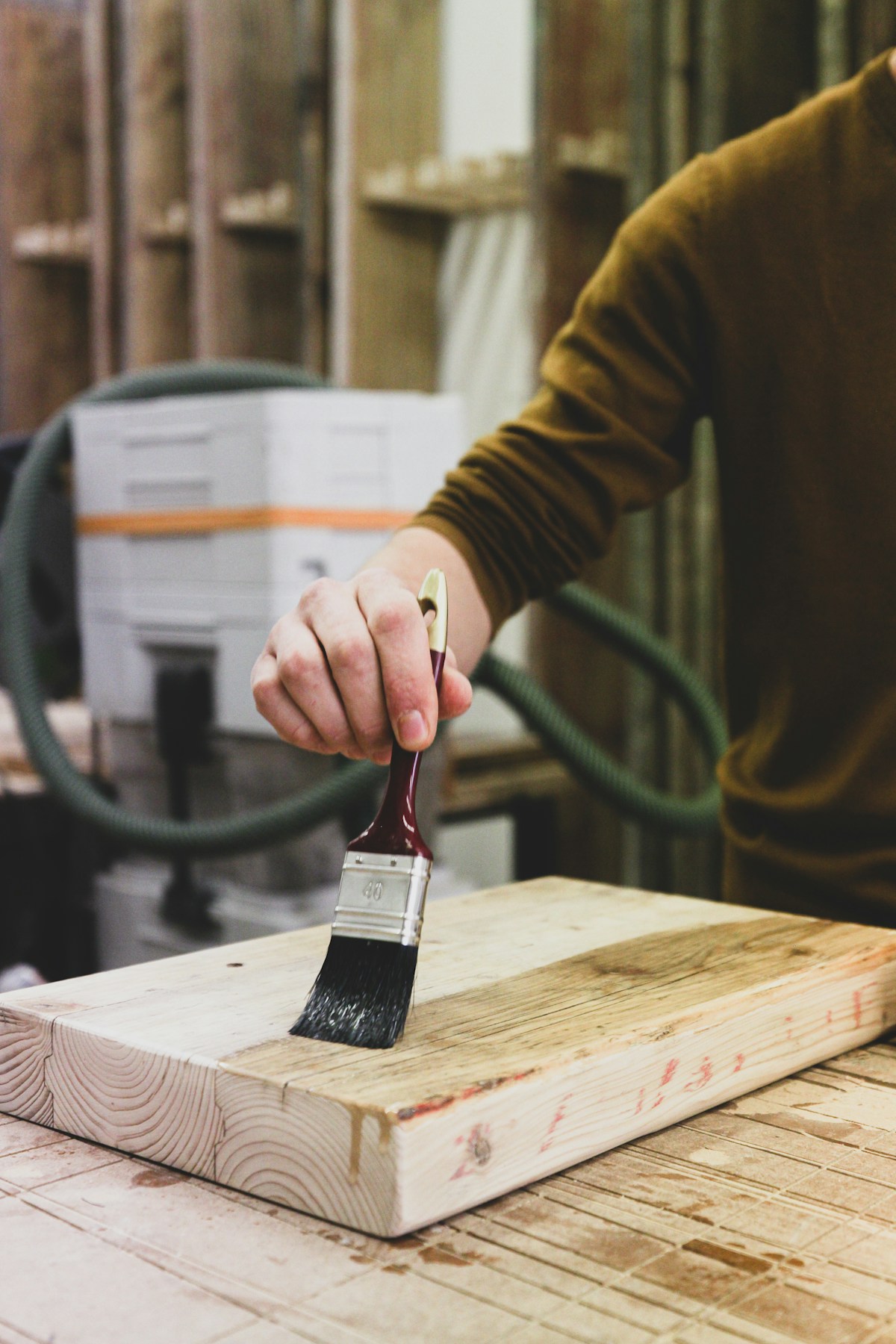
The sun is brutal on wood. UV rays break down the lignin in wood fibers and turn everything gray. Then you have got rain, snow, morning dew, humidity changes throughout the day. The wood expands and contracts constantly, which cracks and peels film-forming finishes that cannot flex with it. Add in mold, mildew, and whatever else nature throws at it and you have got a pretty hostile environment.
Probably should have led with this section, honestly. Interior finishes are not designed for any of that. They are made to look pretty in a temperature-controlled living room, not survive on your deck. Even products labeled exterior vary wildly in how well they actually hold up. Some are legitimately good, others are basically interior finishes with slightly more UV protection and a higher price tag.
The Different Types and What They Actually Do
Penetrating Oils
That’s what makes penetrating oils endearing to us outdoor woodworkers. These are my go-to for most outdoor projects now. Oils like tung, linseed, or the various commercial oil blends soak into the wood instead of sitting on top. They cannot peel because there is no film to peel. When they fade (and they will), you just clean the surface and add another coat right over the old stuff. No sanding or stripping required.
The catch is maintenance. Oil finishes on horizontal outdoor surfaces – think deck floors, table tops, fence tops – need refreshing every year or maybe every other year depending on sun exposure. Vertical surfaces last longer. But that yearly maintenance is way less work than sanding and stripping a failed film finish, so I will take it.
I have been using Penofin for years and it holds up really well. Australian Timber Oil is another solid option, especially for dense hardwoods like ipe or teak. Whatever oil you pick, look for ones with UV inhibitors added.
Semi-Transparent Stains
These are kind of a middle ground. They have some pigment for UV protection plus some penetrating oils. You can still see the wood grain through them, just with an added tint. The pigment protects the wood from sun damage better than a clear oil alone, so they typically last a bit longer between coats.
Downside is that if they do fail, they can look patchy in areas where the pigment has worn off. And you cannot easily change colors later without stripping. I use semi-transparent stains on my fence because it gets less wear than the deck and only needs redoing every three years or so.
Solid Stains and Paints
If you are past the point of trying to show off wood grain – maybe the wood is old and gray, or you just want color – solid stains and paints provide the most protection. All that pigment blocks UV completely. Some solid stains last eight to ten years on vertical surfaces.
But here is the thing. When they fail, they REALLY fail. Peeling, cracking, flaking everywhere. Then you are stuck with hours of scraping and sanding to get back to bare wood. I have got a painted porch that is starting to peel and I am dreading dealing with it. Next time I am going with a penetrating oil that I can just maintain easily.
Spar Varnish and Marine Finishes
These are the toughest film finishes out there, designed for boats that literally sit in water. They contain UV blockers and are flexible enough to move with the wood. For outdoor furniture that lives under a covered porch, spar varnish can look beautiful.
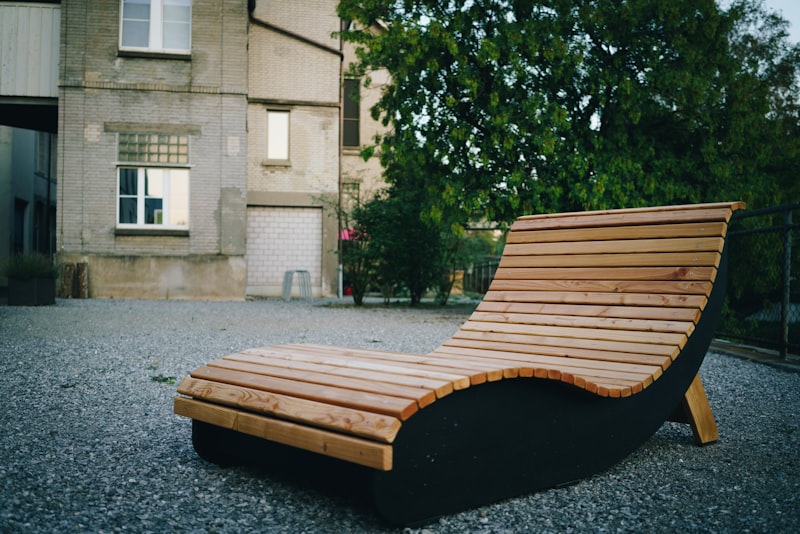
That said, even spar varnish needs maintenance. Every year or two you should sand lightly and add another coat, or it will eventually break down like any other film finish. It is more effort than oils but gives that glassy, rich look that oil finishes cannot quite match. I use it on Adirondack chairs that stay on a covered deck.
Application Basics
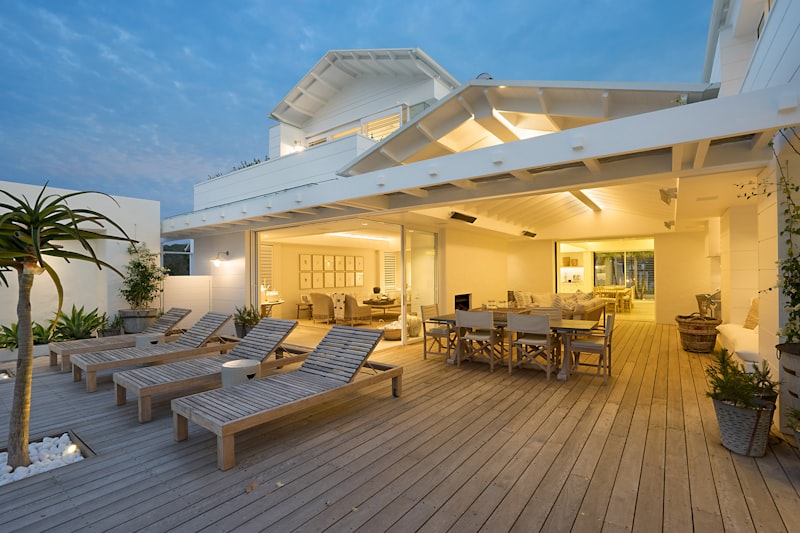
The boring stuff matters. Clean the wood first – I mean really clean it. Use a deck cleaner or oxygen bleach to kill any mildew and remove gray oxidized wood fibers. Let it dry completely, at least 48 hours of dry weather.
If the wood is new, you might want to wait a few weeks before finishing, especially pressure treated lumber. That stuff comes saturated with water and chemicals. Try the sprinkle test – if water beads up, it is not ready. Wait until water soaks in within a few seconds.
Apply finish in dry weather when temps are between 50 and 80 degrees. I made the mistake once of staining a deck in July when it was 95 degrees. The stain dried so fast on the wood that I could not spread it evenly. Big splotchy mess. Now I wait for cooler mornings or overcast days.
Products I Have Actually Used
Penofin Verde – My favorite penetrating oil. Made from Brazilian rosewood oil which sounds fancy but really it just works well. Goes on easy, gives wood a nice warm tone, and refreshes easily. The Verde formula is also lower VOC which my wife appreciates.
Thompson WaterSeal – Listen, this stuff gets a bad reputation in some woodworking circles, but for a cheap water sealer on a pressure treated deck that is getting abused by kids, it does the job. Will not win any beauty contests but it repels water for a season.
Cabot Australian Timber Oil – Really nice on dense exotic woods like ipe, mahogany, or teak. It penetrates deeply even on woods that are tough to finish. Smells pretty strong when wet though.
Ready Seal – Another oil I have had good luck with. It is nice because you do not need to back-brush or avoid lap marks – just put it on and it self-levels. Good for DIYers who are nervous about application technique.
Maintenance Reality Check
Here is the thing nobody tells you: ALL outdoor finishes require maintenance. Anyone who says their product lasts forever without touching it up is lying. Wood outdoors is in a constant battle with nature and eventually nature wins a little bit.
With penetrating oils, you are looking at yearly or every-other-year recoats on horizontal surfaces. With film finishes, you might go longer between applications, but when they need it, they need more prep work.
I have just accepted that my deck is an ongoing project. Every spring I clean it off, assess the finish, and do what needs doing. Usually takes a Saturday. It is kind of therapeutic honestly – put on some music, brush on some oil, appreciate being outside. Beats watching TV anyway.

Stay in the loop
Get the latest wildlife research and conservation news delivered to your inbox.