Why Spray Lacquer?
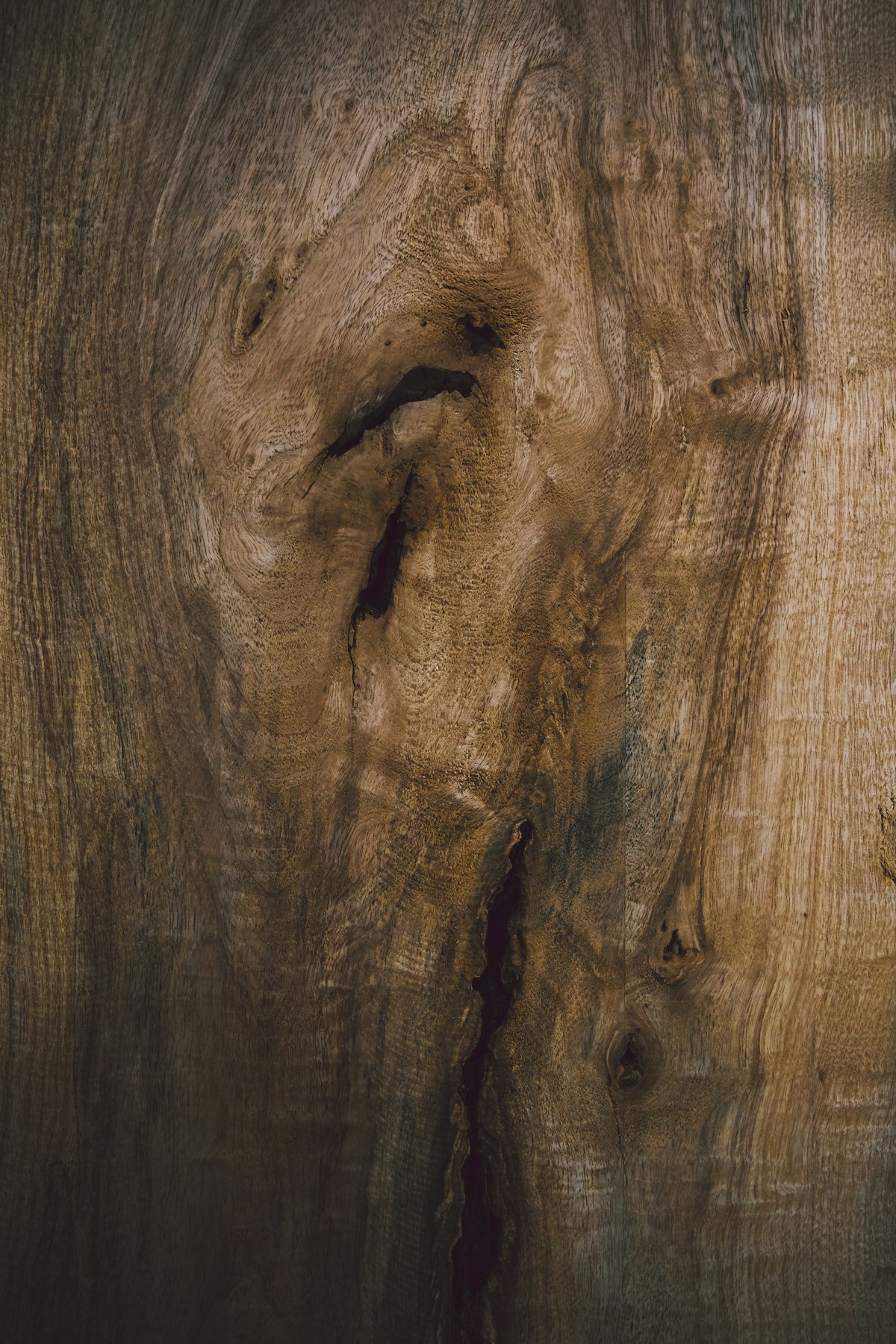
Lacquer delivers a beautiful, durable finish faster than any other option. It dries in minutes, can be recoated in 30-60 minutes, and produces a smooth, professional appearance. While it requires spray equipment and proper ventilation, the results and speed make lacquer the finish of choice for many professional shops.
Types of Lacquer
- Nitrocellulose lacquer: The traditional choice. Dries fast, repairs easily, develops a warm patina over time. Susceptible to yellowing.
- CAB-acrylic lacquer: Water-white clarity that won’t yellow. Excellent for light-colored woods and contemporary furniture.
- Pre-catalyzed lacquer: Contains catalyst from the factory. More durable than standard lacquer with similar application properties.
- Post-catalyzed lacquer: Mixed with catalyst before use. Most durable but has limited pot life once mixed.
Equipment Requirements
Successful lacquer application requires:
- Spray gun: HVLP guns work well for most woodworking. Set fluid needle to 1.2-1.4mm for lacquer.
- Compressor: HVLP requires 5-8 CFM at 25-30 PSI. Ensure adequate capacity for continuous spraying.
- Ventilation: Essential for health and safety. Spray booths or outdoor spraying with appropriate respirator.
- Respirator: Organic vapor cartridge rated for lacquer solvents.
Spraying Technique
- Thin properly: Most lacquers need 10-25% lacquer thinner added for spraying.
- Set spray pattern: Adjust for 8-10 inch wide fan pattern.
- Keep consistent distance: Maintain 6-8 inches from the surface.
- Overlap passes: Each pass should overlap the previous by 50%.
- Light coats: Multiple thin coats beat fewer heavy coats. Avoid runs and sags.
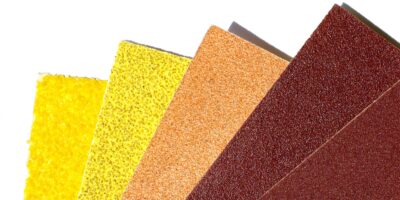
- Sand between coats: 320 grit between coats, 400+ before final coat.
Common Problems and Solutions
- Orange peel: Too little thinner, too far from surface, or low air pressure.
- Blushing (white haze): Humidity trapping moisture. Add retarder or spray in drier conditions.
- Runs and sags: Too much material applied. Use lighter coats.
- Fish eyes: Contamination from silicone. Clean thoroughly or add fish-eye eliminator.



Stay in the loop
Get the latest fine finish wood working updates delivered to your inbox.