Choosing a finish application method has gotten complicated with all the gear reviews and conflicting opinions flying around. As someone who’s brushed, wiped, sprayed, and poured thousands of coats of finish over the years, I learned everything there is to know about when to use each approach. Today, I will share it all with you.
Brushes or rags? Spray or wipe? The application method matters as much as the finish itself, and I see people get tripped up on this all the time. Here’s when to use each approach, based on what’s actually worked for me in the shop.
Brushing
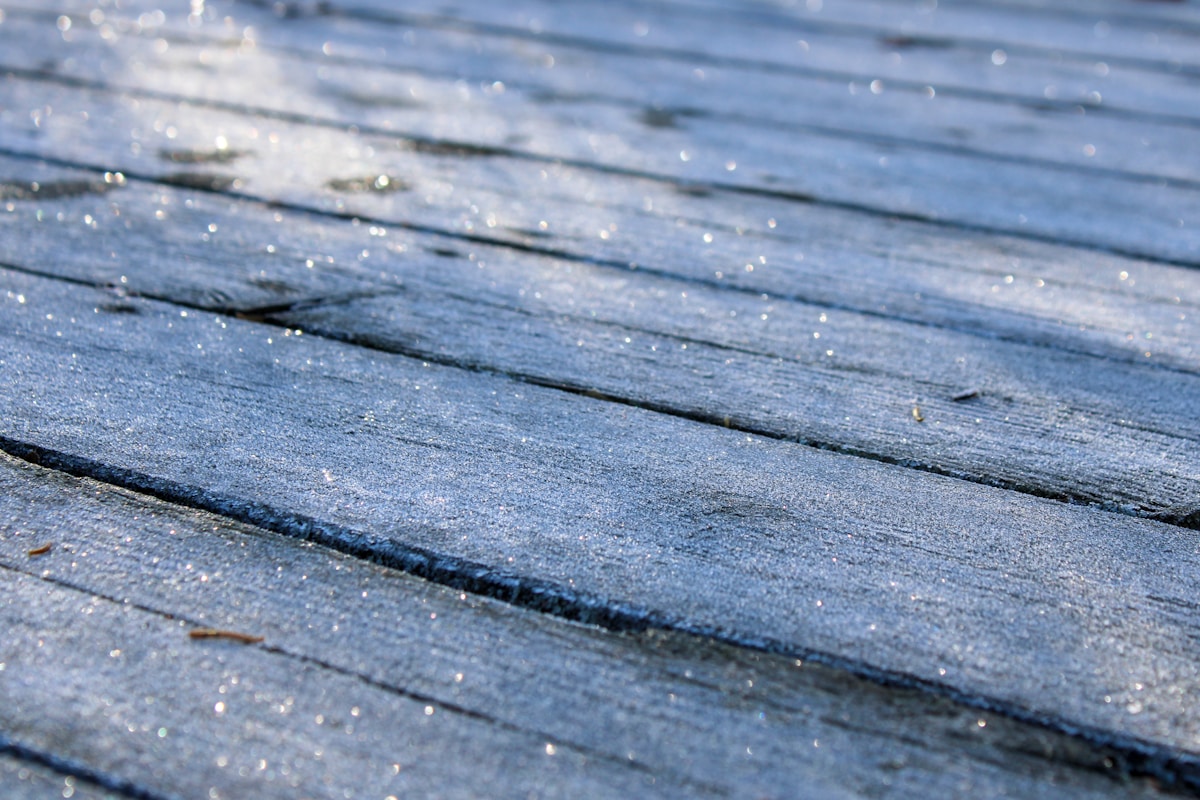
Best for: Thick finishes like polyurethane, varnish, and paint. Also great for vertical surfaces where drips are a concern — you’ve got more control with a brush than anything else.
My tip: Use natural bristle brushes for oil-based finishes, synthetic for water-based. Load the brush properly — dip about one-third of the bristle length, then tap off excess against the inside of the can. Don’t wipe it across the rim; that creates bubbles. I made that mistake for years before someone showed me the right way.
Wiping
Best for: Oil finishes, wipe-on poly, thinned varnishes. This is my go-to method for complex shapes with lots of detail where a brush would pool in the crevices.
My tip: Use lint-free cotton rags or old t-shirts. Apply liberally, let sit a few minutes, then wipe off excess. Multiple thin coats beat one thick one every single time. I can’t stress this enough — thinner is better with wipe-on application.
Spraying

Best for: Large flat surfaces, production work, lacquer and shellac, and getting into intricate details quickly. When I’m finishing a whole set of cabinet doors, spraying is the only way that makes sense.
My tip: HVLP sprayers reduce overspray but you’ll need to thin most finishes to get them through the gun. Practice on scrap first — spray technique takes real time to develop. My first few attempts looked like a toddler did them. It gets better, I promise.
Pouring and Spreading
Probably should have led with this section, honestly, because it’s the one people ask me about most. Pouring works best for tabletops getting thick epoxy or pour-on finishes. It creates perfectly level surfaces without brush marks, which is kind of magical the first time you see it happen.
My tip: Work in a dust-free, level environment. Use a propane torch (carefully!) to pop bubbles before the finish sets. I keep a small torpedo level on hand to check the surface before pouring. Uneven surfaces mean uneven finish thickness.
The Bottom Line
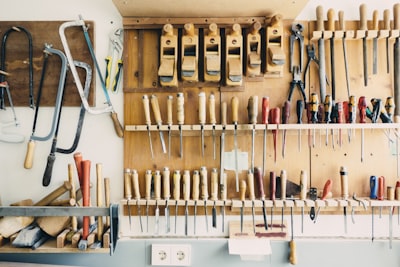
That’s what makes finish application endearing to us woodworking nerds — there’s no single best method, only the right method for each situation. Match the method to the finish and the project. Simple pieces do fine with rags. Complex carvings often need spray. Flat tabletops can handle anything. Once you’ve used each method a few times, you’ll develop an instinct for what works best. Trust that instinct.



Stay in the loop
Get the latest fine finish wood working updates delivered to your inbox.