The Art of Making New Look Old
A client brings you a fresh-built barn door. The wood is clean, the edges sharp, the surface pristine. “I want it to look like it’s been in my grandmother’s barn for a hundred years,” she says. This is distressing—the deliberate creation of age, wear, and character that wood develops naturally over decades.
Good distressing looks authentic. Bad distressing looks like someone attacked furniture with random tools. The difference lies in understanding how wood actually ages, then replicating those specific patterns intentionally.
How Wood Really Ages
Study genuinely old pieces before you begin distressing new ones. Observe where wear occurs naturally:
Edges: Corners round from decades of contact. But not uniformly—high-touch areas round more than untouched ones. Chair arm tops round heavily; chair arm undersides stay sharp.
Surfaces: Table tops wear in use patterns. The center where plates sit wears differently than edges. Areas near handles and pulls show more wear than distant sections.
Feet and bottoms: Furniture rocking on floors creates specific wear patterns. Front feet often wear more than rear feet. The wear follows the piece’s movement habits.
Impact damage: Real antiques show impact marks from specific causes—boots, brooms, chairs being shoved into tables, objects dropped. These marks concentrate in logical locations.
The Chains, Rocks, and Hammers Method
Once you understand authentic wear patterns, you can recreate them intentionally:
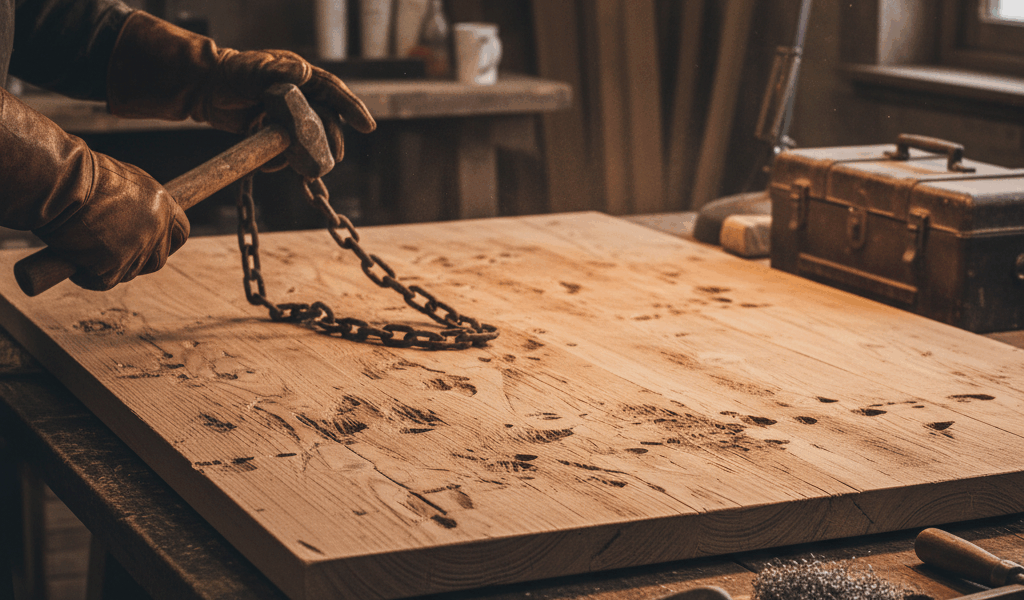
Heavy chain: Wrap a length of logging chain in a sock or cloth bag. Swing it onto the surface to create scattered impact marks resembling decades of accumulated bumps. Concentrate hits where real damage would occur—corners, edges, lower sections.
Round rocks: River rocks of various sizes create dent patterns similar to dropped objects and general impact damage. Strike surfaces with controlled force, varying the angle and location. Avoid patterns—real damage is random.
Ball-peen hammer: The round head creates authentic-looking compression dents. Use varying force and angles. Focus on corners and edges that would catch the most abuse.
Keys and screws: Drag these across surfaces to create the long scratches that accumulate from daily use. Vary depth and direction. Old furniture shows scratches from a thousand different objects over a hundred years.
Creating Worm Holes
Antique furniture often shows small round holes from wood-boring insects. Recreate these with:
Awl: Push straight in and withdraw. Vary hole diameter slightly by varying pressure.
Small nail set: Creates slightly larger holes with flat bottoms.
Drill bits: 1/16″ and 3/32″ bits create holes of appropriate size. Drill at slight angles rather than perfectly perpendicular.
Cluster worm holes naturally—insects don’t distribute evenly. Place them in soft-grain areas where insects prefer to bore. Avoid hard latewood rings that real insects wouldn’t penetrate.
Edge and Corner Treatment
New edges are too crisp. Age them through:
Rasping: A four-in-hand rasp removes material quickly, creating worn-looking edges. Work unevenly—some areas more, some less.
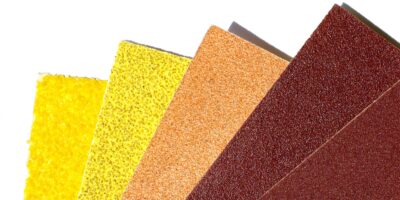
Sanding: 80-grit sandpaper on a block rounds edges as decades of contact would. Focus on areas hands and bodies would touch.
Chipping: Use a chisel to carefully remove small chips from edges. Real furniture develops these from impacts over time. Work deliberately but make results look accidental.
Surface Texture Techniques
Wire brushing: A wire brush run along the grain removes soft wood fibers, leaving the hard grain raised. This replicates weathered texture. Works especially well on softwoods like pine.
Hand-scraped texture: A scraper held perpendicular to the surface and drawn across leaves irregular texture resembling hand-hewn antique surfaces.
Sandblasting: For heavy weathering effects, sandblasting erodes soft grain dramatically. This works for pieces meant to look outdoor-weathered.
Adding Color Variation
Age changes color unevenly. Sun-exposed areas fade; shadowed areas darken. Recreate this through:
Layered staining: Apply darker stain overall, then partially sand back in “sun-faded” areas. Build color variation gradually.
Paint remnants: Many antiques show traces of old paint in crevices. Apply paint, let dry, then sand most of it away, leaving traces in low spots and grain.
Glaze accumulation: Apply dark glaze, then wipe most away, leaving more in corners, carvings, and low spots where grime would naturally accumulate.
The Restraint Principle
The most common distressing mistake is overdoing it. Examine actual antiques—most aren’t destroyed. They show wear in specific, logical locations while remaining essentially intact. A hundred years of use creates less damage than beginners assume.
Distress conservatively. You can always add more, but removing distressing means starting over. Let the piece sit overnight, then evaluate with fresh eyes. Often you’ll find you’ve already achieved the effect and more would be excessive.
Authentic distressing tells a story. Each mark should be plausibly explained by imaginary decades of real use. When your distressing looks like it happened naturally, you’ve succeeded.
Subscribe for Updates
Get the latest articles delivered to your inbox.
We respect your privacy. Unsubscribe anytime.