What Is Tung Oil?

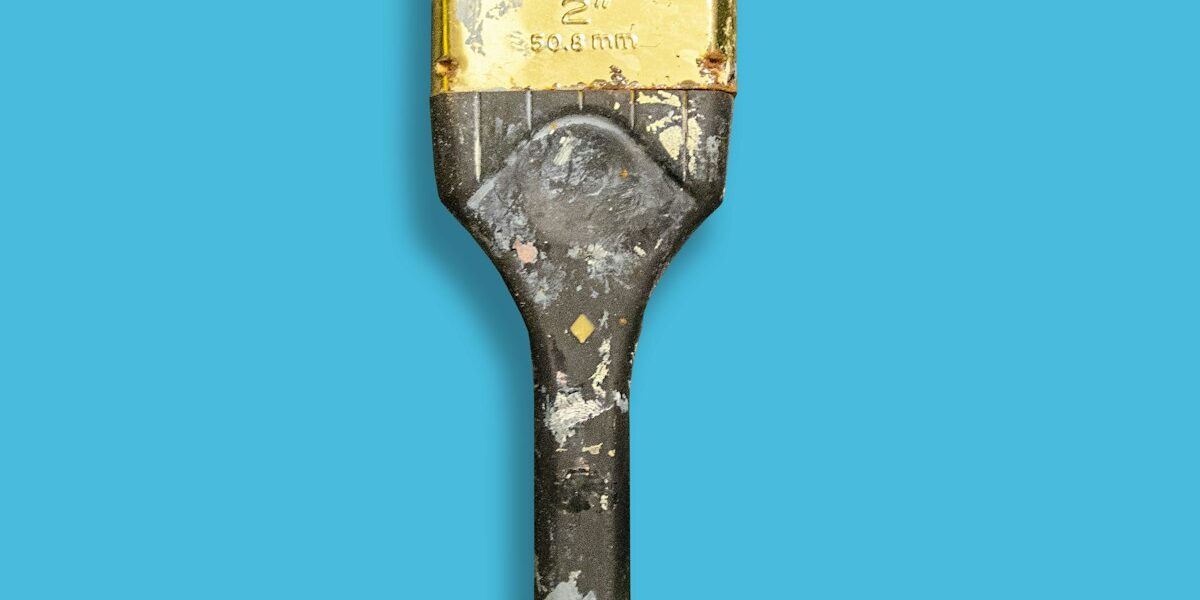
Tung oil is a drying oil extracted from the seeds of the tung tree, native to China and South America. It has been used for thousands of years to protect and beautify wood. Pure tung oil penetrates deep into wood fibers, polymerizing when exposed to air to create a durable, water-resistant finish that enhances the natural grain.
Pure Tung Oil vs. Tung Oil Finish
Understanding the difference is crucial for proper application:
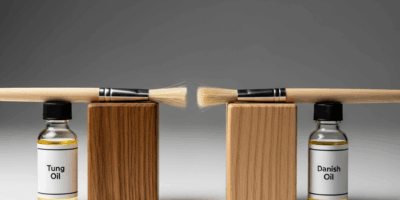
- Pure tung oil: 100% tung oil with no additives. Requires multiple thin coats and extended drying times (2-3 days between coats). Produces the most natural-looking results.
- Tung oil finish: A blend that typically contains varnish, mineral spirits, and smaller amounts of tung oil. Easier to apply with faster drying but less penetration.
Check ingredient lists carefully—many products labeled “tung oil” contain little to no actual tung oil.
Surface Preparation

Tung oil requires properly prepared wood:
- Sand to 180-220 grit for most woods. Going finer can actually reduce oil penetration.
- Remove all dust with a tack cloth or compressed air.
- Ensure the wood is completely dry—moisture trapped under tung oil causes clouding.
- For dense woods like maple, consider thinning the first coat 50/50 with citrus solvent for better penetration.
Application Process
The thin-coat method produces the best results:
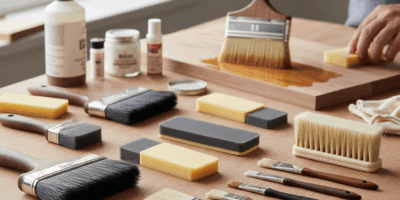
- Apply a thin coat with a brush, foam applicator, or lint-free cloth.
- Allow the oil to penetrate for 15-30 minutes.
- Wipe off ALL excess oil. Oil remaining on the surface creates a sticky, never-curing mess.
- Wait 24-72 hours for pure tung oil to cure (less for blended products).
- Lightly sand with 320 grit between coats.
- Repeat for 3-5 coats until desired sheen develops.
Curing and Final Results

Tung oil takes longer to fully cure than most finishes—typically 15-30 days for pure tung oil. During this time, avoid placing objects on the surface or exposing it to moisture. The finished result is a warm, hand-rubbed appearance with moderate protection suitable for furniture, cutting boards, and decorative pieces.

Stay in the loop
Get the latest fine finish wood working updates delivered to your inbox.