
Wood Finishing Problems: What Actually Went Wrong and How to Fix It
Wood finishing troubleshooting has changed quite a bit thanks to the product types, application methods, and conflicting advice floating around. As someone who’s ruined plenty of projects and eventually learned what works, I got hands-on with what causes finish failures and how to rescue them. Today, I will share it all with you.
This article includes affiliate links. We may earn a commission at no extra cost to you.
After hours of careful preparation, watching bubbles form in your topcoat or seeing brush marks harden in place is genuinely painful. Understanding why these problems happen helps you fix them — and prevent them next time.
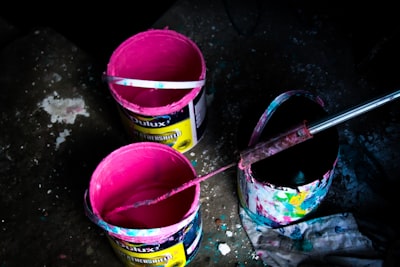
Brush Marks That Won’t Level
Probably should have led on this subject, in fairness. Brush marks happen when finish sets before it can flow smooth. Several culprits:
- Temperature: Too cold and finish thickens, too warm and it skins over fast. Sweet spot is 65-75°F.
- Brush quality: Cheap brushes hold less finish and release it unevenly. Natural bristle for oil-based, synthetic for water-based.
- Technique: Overbrushing or stretching finish too thin prevents leveling. Load generously, lay down smooth strokes with the grain, tip off lightly.
Fix existing brush marks by sanding between coats with 320 grit sandpaper — just enough to level. Consider adding flow additive for water-based finishes.
Bubbles in Your Finish
Bubbles form when air gets trapped and can’t escape before the surface skins over. The causes:
- Shaking the can: Stir, don’t shake. Let stirred finish rest before applying.
- Aggressive brushing: You’re whipping air into the product.
- Unsealed wood: Air escapes from grain as finish dries. Seal open-pored woods first.
- Cold finish: Thick finish traps air easier. Warm it to room temperature.
For existing bubbles, wait until fully cured, sand smooth, and reapply with proper technique.
Fish Eyes and Finish That Crawls Away
That’s what makes fish eyes endearing to us troubleshooters — they tell you exactly what’s wrong. Fish eyes are small craters where finish refuses to wet the surface. Crawling is finish beading up instead of spreading.
The culprit is almost always contamination: silicone from furniture polish, oils from your hands, wax residue, or contaminated rags.
Prevention: Clean thoroughly before finishing. Naphtha or mineral spirits for oil-based products, denatured alcohol for water-based. Change rags frequently.
Fix: Stop applying immediately. Let dry, sand completely, clean again more thoroughly. Apply dewaxed shellac as a barrier coat before trying again — shellac blocks most contaminants.
For persistent silicone contamination, fish eye eliminator additives reduce surface tension enough for finish to wet contaminated surfaces.
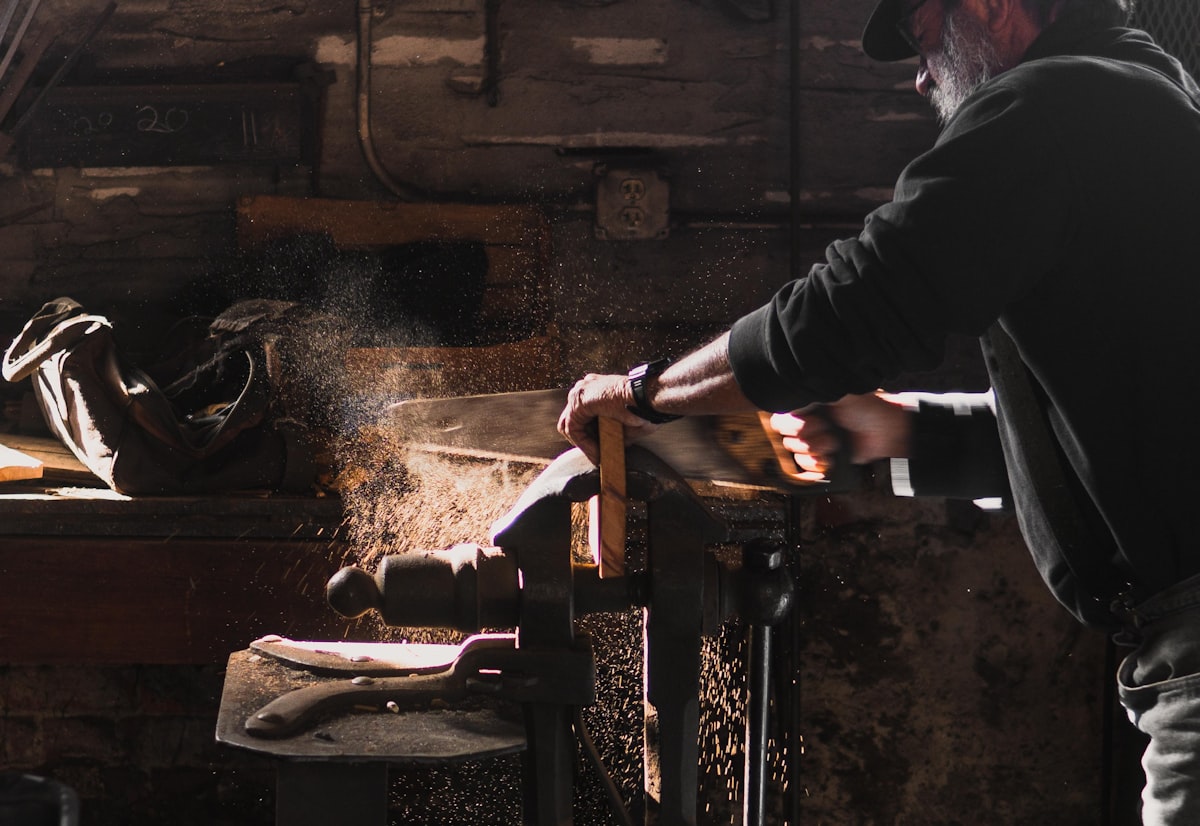
Blotchy Stain on Pine, Cherry, or Maple
Blotching happens because these woods have uneven density — some areas absorb more stain than others, creating that mottled look everyone hates.
Solutions:
- Wood conditioner: Apply before staining, partially seals wood to even absorption
- Gel stains: Sit on surface rather than penetrating, so density differences matter less
- Wash coat of dewaxed shellac: Thin to one-pound cut, apply, then stain over it
Already blotched? Options are limited. Light sanding removes some stain. Glaze can add color to light areas. Severe cases: strip and start over.
White Rings from Water
Water marks affect lacquer and shellac especially. Water trapped under or in the finish creates cloudiness.
Fresh marks: Heat sometimes works. Thin cloth over the mark, warm iron applied briefly. Multiple light passes beat sustained heat.
The mayonnaise trick: Apply, leave overnight, wipe off. Oil supposedly displaces trapped water. Results vary.
Stubborn marks: Rub gently with 0000 steel wool and lemon oil, going with the grain. This removes a thin layer of clouded finish. Reapply topcoat afterward.
Prevention: Use polyurethane or conversion varnish for surfaces that see water. Or just use coasters.
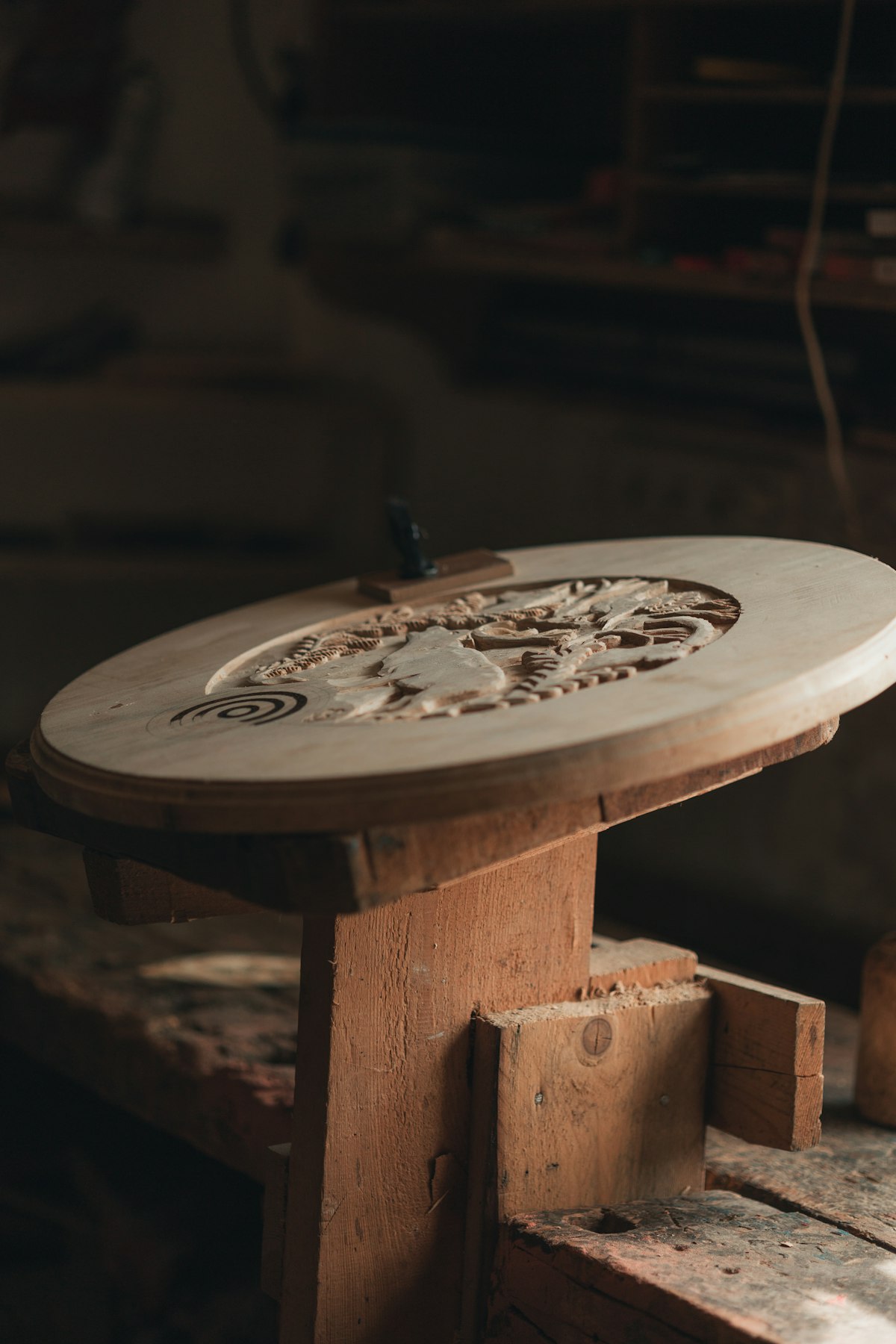
Orange Peel Texture from Spraying
\n
For a product-specific decision tree, see how to diagnose and fix orange peel in polyurethane before changing thinner or gun pressure.
Orange peel happens when spray droplets don’t level before drying. Usually an equipment or technique problem:
- Air pressure too low creates large droplets
- Moving gun too fast applies thin coats that texture immediately
- Finish too thick for proper atomization
Fix: After full cure, wet sand starting at 400 grit through 1500-2000. Rubbing compound and polish restore gloss.
Prevention: Test settings on scrap first. Adjust pressure, distance, and speed until smooth. Thin finish if needed. Work at proper temperature.
Peeling and Adhesion Failure
Finish that peels means it never bonded properly. Causes:
- Contamination on the surface
- Insufficient sanding
- Incompatible products (latex over oil-based primer fails, water-based poly over wax peels)
Test adhesion before committing: Apply finish to inconspicuous area, let cure fully, try scratching or apply tape and pull quickly. Good adhesion resists these tests.
Repair requires removing all loose material, sanding to stable layer, applying appropriate primer, and recoating with proper prep.
Runs and Sags
Too much finish in one area causes it to flow downward before setting. Common with vertical surfaces or heavy coats.
Prevention: Apply thinner coats. Watch for pooling and brush out heavy areas immediately. Work systematically so you don’t miss spots.
Fix minor runs while wet by brushing out. Major runs after drying: let cure completely, slice off the drip with a razor blade, sand smooth, recoat.
The Prevention Mindset
Most finish problems share root causes: contamination, improper temperature, wrong product for the application, or rushing. Taking time to prep surfaces properly, working at correct temperatures, and applying thin coats solves 90% of issues before they start.
When problems do appear, identify the cause before attempting fixes. Treating symptoms without addressing the underlying issue means the problem returns on the next coat.
Runs and sags need a product-specific repair rather than an improvised wet-solvent wipe. Follow this guide to repairing lacquer runs without stripping the whole panel.

Stay in the loop
Get the latest fine finish wood working updates delivered to your inbox.